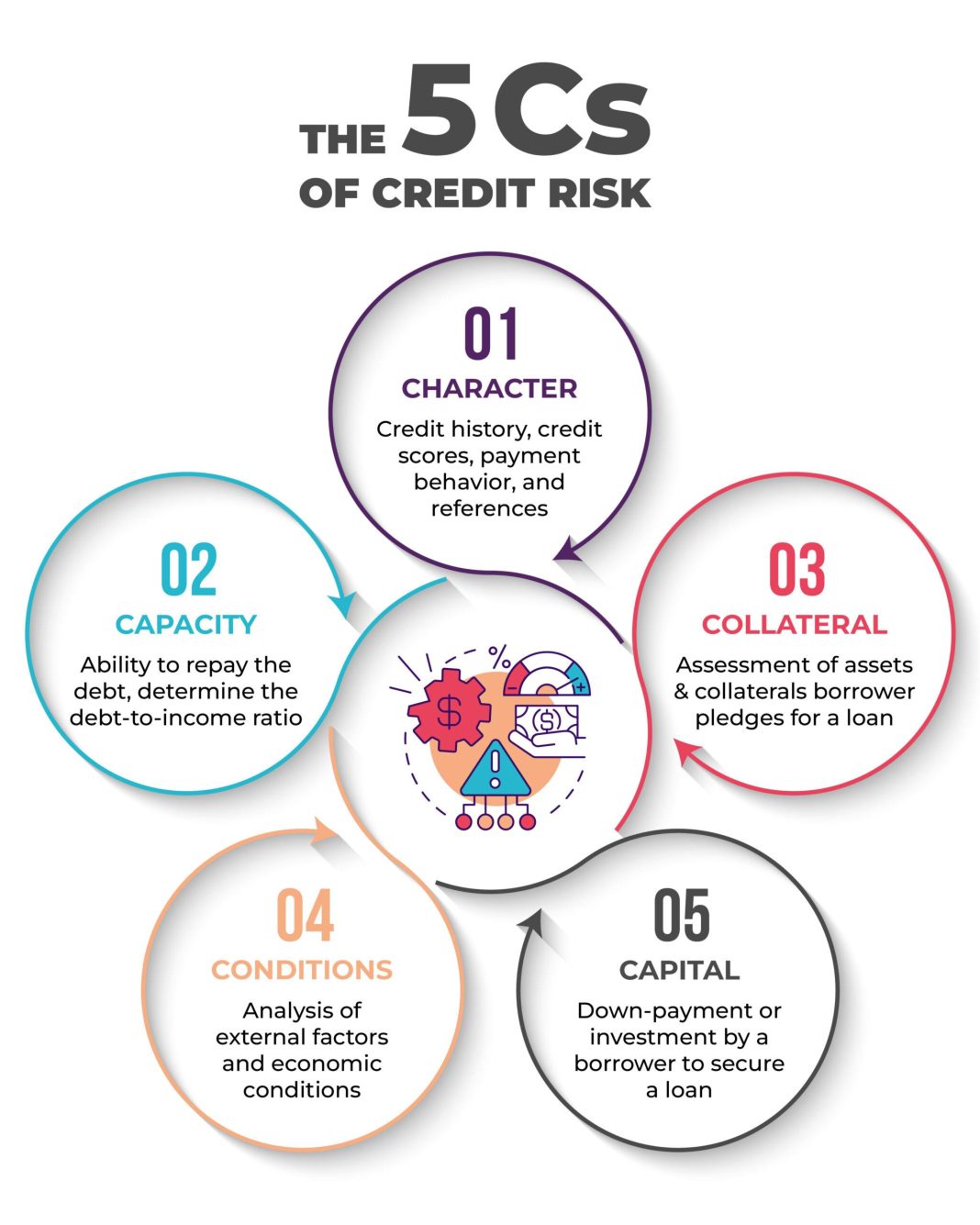

In the labyrinthine corridors of the global economy, where uncertainty looms like an ever-present shadow, the art of managing credit risk emerges as both a science and a craft. As economic tides ebb and flow with unprecedented volatility, businesses and financial institutions find themselves navigating a precarious landscape, where every decision can tip the scales toward stability or chaos. In this intricate dance, the ability to foresee and mitigate potential pitfalls is not merely advantageous—it is essential. This article delves into the strategic imperatives and innovative methodologies that underpin effective credit risk management in today’s unpredictable economic climate. By examining the intersection of data analytics, regulatory frameworks, and market dynamics, we aim to equip financial leaders with the insights necessary to not only survive but thrive amidst the turbulence. Join us as we unravel the complexities of credit risk and chart a course toward financial resilience in an era defined by uncertainty.
Navigating Economic Turbulence with Robust Credit Risk Strategies
In times of economic uncertainty, businesses must fortify their financial defenses with strategic credit risk management. A proactive approach involves not just identifying potential risks but also implementing measures to mitigate them effectively. This can be achieved through:
- Comprehensive Risk Assessment: Regularly evaluate the creditworthiness of clients and partners using both quantitative and qualitative metrics.
- Diversification of Credit Portfolio: Avoid over-reliance on a single client or sector by spreading credit exposure across various industries and geographies.
- Advanced Predictive Analytics: Leverage data analytics and machine learning to forecast potential defaults and adjust strategies accordingly.
- Robust Monitoring Systems: Implement real-time monitoring tools to detect early warning signs of financial distress among borrowers.
These strategies not only safeguard against potential losses but also position businesses to seize opportunities that arise even amidst economic volatility. By adopting a forward-thinking mindset, companies can navigate the complexities of the financial landscape with confidence and resilience.

Harnessing Data Analytics to Anticipate and Mitigate Credit Risks
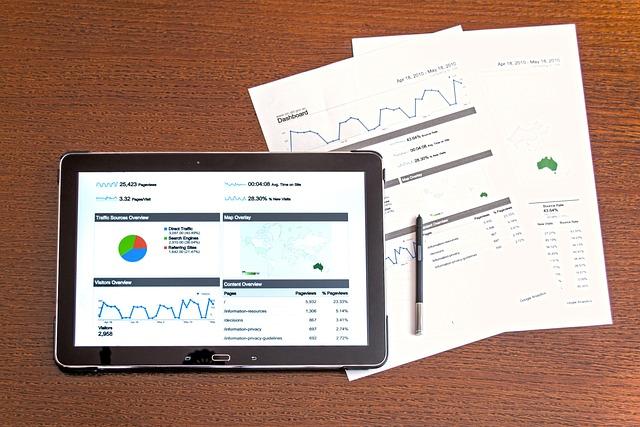
In today’s volatile economic landscape, leveraging data analytics is not just an option but a necessity for financial institutions aiming to stay ahead of potential credit risks. By utilizing advanced analytical tools, businesses can transform raw data into actionable insights, enabling them to foresee potential credit defaults and adjust their strategies accordingly. Predictive analytics allows for the identification of patterns and trends that might otherwise go unnoticed, providing a clearer picture of a borrower’s financial health and future risk potential.
Financial institutions can benefit from data analytics in several ways, including:
- Enhanced Decision-Making: With comprehensive data analysis, lenders can make more informed decisions, reducing the likelihood of bad loans.
- Proactive Risk Management: By identifying potential risks early, institutions can implement mitigation strategies before issues escalate.
- Improved Customer Segmentation: Understanding customer behavior and creditworthiness allows for more tailored financial products and services.
Incorporating data analytics into credit risk management not only strengthens a financial institution’s resilience but also fosters a more sustainable and robust economic environment.
Building Resilient Portfolios through Diversification and Stress Testing
In today’s unpredictable economic landscape, the art of crafting a resilient portfolio is paramount. One of the most effective strategies is through diversification. By spreading investments across various asset classes, sectors, and geographies, investors can mitigate risks associated with any single economic downturn. Consider the following elements when diversifying:
- Asset Classes: Include a mix of equities, bonds, real estate, and commodities to balance risk and return.
- Geographic Diversification: Invest in both domestic and international markets to hedge against regional economic instabilities.
- Sectoral Spread: Allocate resources across different industries to avoid overexposure to sector-specific risks.
Complementing diversification, stress testing is an invaluable tool for evaluating a portfolio’s robustness under adverse conditions. By simulating extreme market scenarios, investors can identify vulnerabilities and adjust their strategies accordingly. Stress testing involves:
- Scenario Analysis: Model various economic crises, such as recessions or geopolitical tensions, to assess potential impacts.
- Historical Data Review: Analyze past market downturns to understand how similar portfolios have fared.
- Risk Assessment: Continuously evaluate the portfolio’s risk exposure and make necessary adjustments to maintain its resilience.
By integrating these practices, investors can navigate the complexities of credit risk management with confidence, ensuring their portfolios remain robust amidst economic uncertainties.
Strengthening Stakeholder Communication for Enhanced Risk Management
In today’s volatile economic landscape, effectively managing credit risk demands more than just traditional financial analysis. A robust approach to risk management hinges on transparent and consistent communication with stakeholders. By fostering open dialogue, organizations can better anticipate and mitigate potential risks. This involves establishing clear channels for information exchange and ensuring that all parties are aligned with the company’s risk management strategies. Proactive communication allows for the identification of emerging threats and the opportunity to address them before they escalate.
- Regular Updates: Keep stakeholders informed with frequent updates on financial health and risk exposure.
- Collaborative Platforms: Utilize digital tools to facilitate real-time communication and feedback loops.
- Stakeholder Training: Educate stakeholders on risk management processes to ensure they are equipped to contribute effectively.
- Feedback Mechanisms: Implement systems to gather stakeholder insights and integrate them into risk management strategies.
By prioritizing these communication strategies, organizations can build trust and resilience, ultimately leading to a more secure financial environment. In an uncertain economy, the strength of stakeholder relationships can be a decisive factor in successfully navigating credit risk challenges.