


In the intricate ballet of global finance, where every pirouette of policy and economic shift echoes across markets, interest rate volatility emerges as a formidable choreographer. Its unpredictable rhythms dictate the tempo of credit risk strategies, compelling financial institutions to remain agile and perceptive. As the pendulum of interest rates swings with increasing fervor, the landscape of credit risk is reshaped, demanding a nuanced understanding and innovative approaches. This article delves into the profound impact of interest rate fluctuations on credit risk strategies, exploring how institutions can navigate this dynamic environment with precision and foresight. With an authoritative lens, we unravel the complexities of interest rate volatility, offering insights into how it challenges traditional paradigms and necessitates a reimagining of risk management frameworks. Join us as we traverse the evolving terrain of credit risk, where volatility is not merely a challenge but an opportunity for strategic reinvention.
Navigating the Storm Understanding Interest Rate Fluctuations and Their Ripple Effects
In the intricate dance of global finance, interest rate fluctuations play a pivotal role, influencing everything from consumer behavior to corporate strategy. As interest rates rise and fall, the ripple effects can be profound, reshaping the landscape of credit risk strategies. Understanding these dynamics is crucial for financial institutions aiming to safeguard their portfolios and maintain stability. When interest rates climb, borrowing costs increase, potentially leading to higher default rates. Conversely, falling rates might encourage borrowing but could also squeeze profit margins. The challenge lies in anticipating these shifts and adjusting strategies accordingly.
Financial institutions must adopt a multifaceted approach to navigate this volatility effectively. Key strategies include:
- Dynamic Risk Assessment: Continuously evaluate the creditworthiness of borrowers to adjust risk exposure in real-time.
- Hedging Techniques: Utilize financial instruments to mitigate potential losses from rate fluctuations.
- Portfolio Diversification: Spread investments across various sectors and geographies to reduce risk concentration.
- Stress Testing: Regularly simulate different interest rate scenarios to understand potential impacts on the portfolio.
By embracing these strategies, financial institutions can not only weather the storm of interest rate volatility but also seize opportunities for growth and innovation.
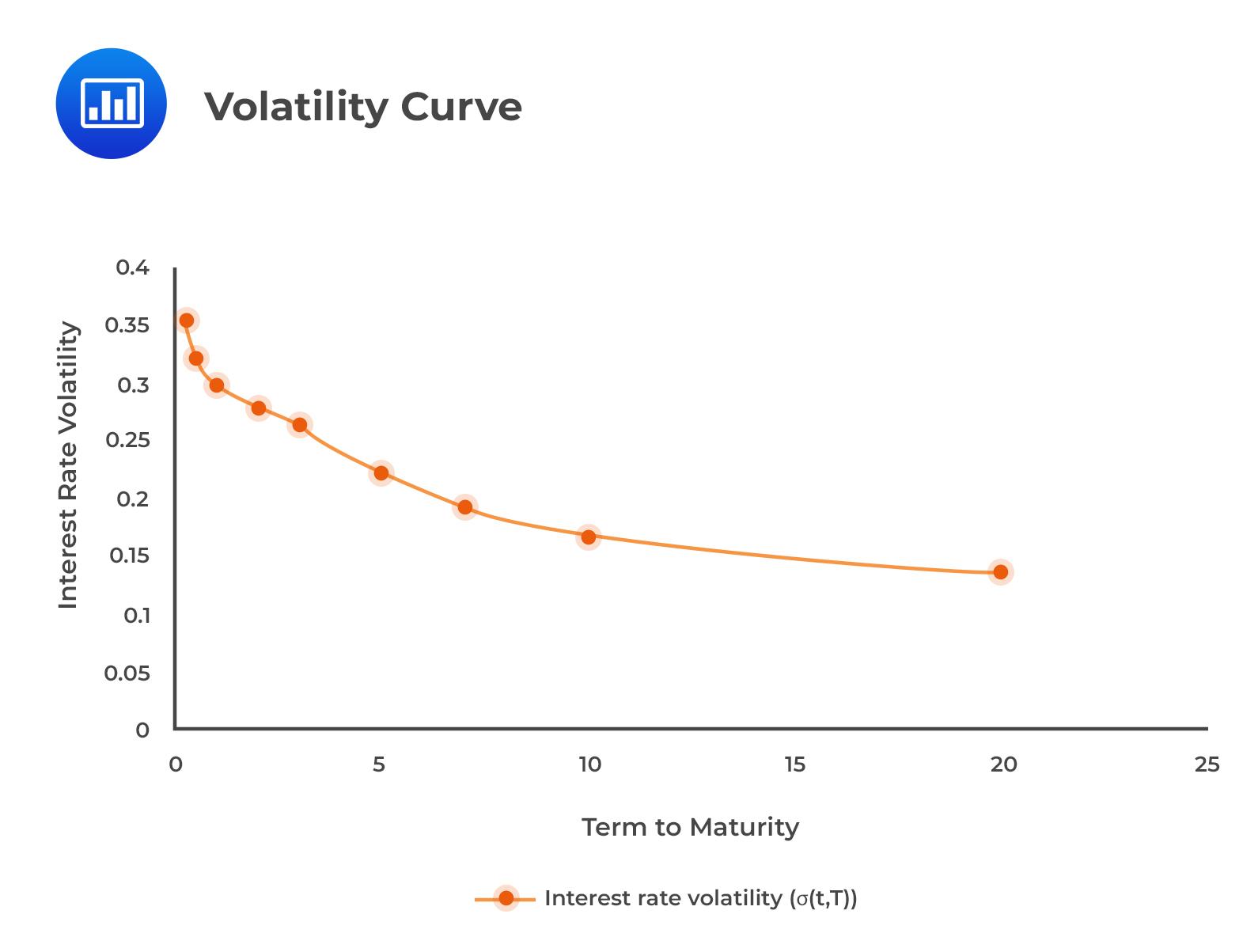
Strategic Adaptation Crafting Robust Credit Risk Frameworks Amid Volatile Rates
In the face of fluctuating interest rates, financial institutions must exhibit a nimble approach to managing credit risk. The crafting of robust frameworks is essential, demanding a blend of traditional risk assessment methods and innovative strategies. Dynamic scenario analysis becomes a pivotal tool, allowing institutions to simulate a variety of interest rate environments and their potential impacts on credit portfolios. This proactive approach aids in identifying vulnerabilities and fortifying defenses against unexpected rate shifts.
Key components of a resilient credit risk framework include:
- Enhanced data analytics: Leveraging big data and AI to gain deeper insights into borrower behavior and potential risk exposures.
- Stress testing: Regularly conducting stress tests to evaluate the resilience of credit portfolios under extreme rate scenarios.
- Portfolio diversification: Ensuring a well-diversified portfolio to mitigate concentration risks associated with rate-sensitive sectors.
- Adaptive risk models: Continuously updating risk models to reflect current market conditions and emerging trends.
By integrating these elements, institutions can navigate the turbulent waters of interest rate volatility with greater confidence and stability.
Insightful Analysis Unveiling the Complex Interplay Between Interest Rates and Credit Risk
The intricate dance between interest rates and credit risk forms a cornerstone of financial strategy, demanding a nuanced understanding from market participants. Interest rate volatility can significantly alter the landscape of credit risk, compelling financial institutions to recalibrate their risk management frameworks. As rates fluctuate, the cost of borrowing shifts, impacting both the creditworthiness of borrowers and the risk appetite of lenders. This dynamic interplay necessitates a strategic approach to credit risk that is both agile and robust.
To effectively navigate this complexity, financial strategists must consider several key factors:
- Market Sensitivity: Understanding how different sectors react to interest rate changes can help in predicting shifts in credit risk profiles.
- Portfolio Diversification: A well-diversified portfolio can mitigate the impact of rate fluctuations on credit risk.
- Stress Testing: Regular stress testing of credit portfolios under various interest rate scenarios can reveal vulnerabilities and inform strategic adjustments.
- Policy Adjustments: Keeping abreast of central bank policies and economic indicators can provide foresight into potential rate changes.
By integrating these elements into their strategies, financial institutions can better manage the risks associated with interest rate volatility, ensuring stability and resilience in their credit portfolios.
Proactive Measures Expert Recommendations for Mitigating Risks in Uncertain Financial Climates
In the face of fluctuating interest rates, financial institutions must adopt a dynamic approach to credit risk management. Experts emphasize the importance of stress testing and scenario analysis as foundational tools to anticipate potential challenges. By simulating various interest rate environments, institutions can better understand the vulnerabilities in their portfolios and adjust their strategies accordingly. This proactive approach not only safeguards against unforeseen financial strains but also enhances decision-making processes.
Furthermore, experts recommend a focus on diversification and liquidity management to mitigate risks effectively. Key strategies include:
- Diversifying asset portfolios to spread risk across different sectors and geographies.
- Maintaining a robust liquidity buffer to withstand sudden market shifts.
- Regularly reviewing and updating credit risk models to reflect current economic conditions.
- Enhancing communication channels with borrowers to detect early signs of distress.
By implementing these expert recommendations, institutions can not only navigate the complexities of interest rate volatility but also strengthen their overall financial resilience.