

In the wake of a global pandemic that redefined the contours of economic landscapes, the world now stands at a pivotal juncture, grappling with the evolving dynamics of credit risk. As economies emerge from the shadows of COVID-19, they are met with a new set of challenges and opportunities that shape the financial fabric of this post-pandemic era. The delicate dance between recovery and risk has never been more pronounced, with traditional credit risk paradigms being tested against unprecedented shifts in consumer behavior, government policy, and global market interdependencies. This article delves into the key credit risk trends that are reshaping the post-pandemic economy, offering a comprehensive analysis that equips financial stakeholders with the insights needed to navigate this uncharted territory with confidence and foresight. From the resurgence of inflationary pressures to the digital transformation of credit assessment, we explore the forces at play in this new economic reality, providing a roadmap for understanding and mitigating the risks that lie ahead.
Navigating the New Normal Understanding Shifts in Borrower Behavior
In the wake of the pandemic, the landscape of borrower behavior has undergone significant transformation, necessitating a keen understanding of emerging patterns to effectively manage credit risk. Digital adoption has accelerated, with borrowers increasingly leveraging online platforms for financial transactions. This shift has led to a demand for more personalized and real-time financial services, pushing lenders to adapt quickly to meet these expectations. Flexibility in repayment options has become a critical factor, as borrowers seek more adaptable solutions to manage their financial obligations in an uncertain economic environment.
Additionally, financial resilience has taken center stage, with borrowers placing greater emphasis on building emergency savings and reducing debt. This trend highlights a cautious approach to credit, as individuals prioritize stability over expansion. Lenders must now focus on innovative credit assessment tools that incorporate alternative data, allowing for a more nuanced understanding of borrower profiles. Enhanced risk management strategies are essential to navigate these shifts, ensuring that financial institutions can effectively balance growth with the need to safeguard against potential defaults.
Emerging Technologies in Credit Risk Management Harnessing AI and Big Data
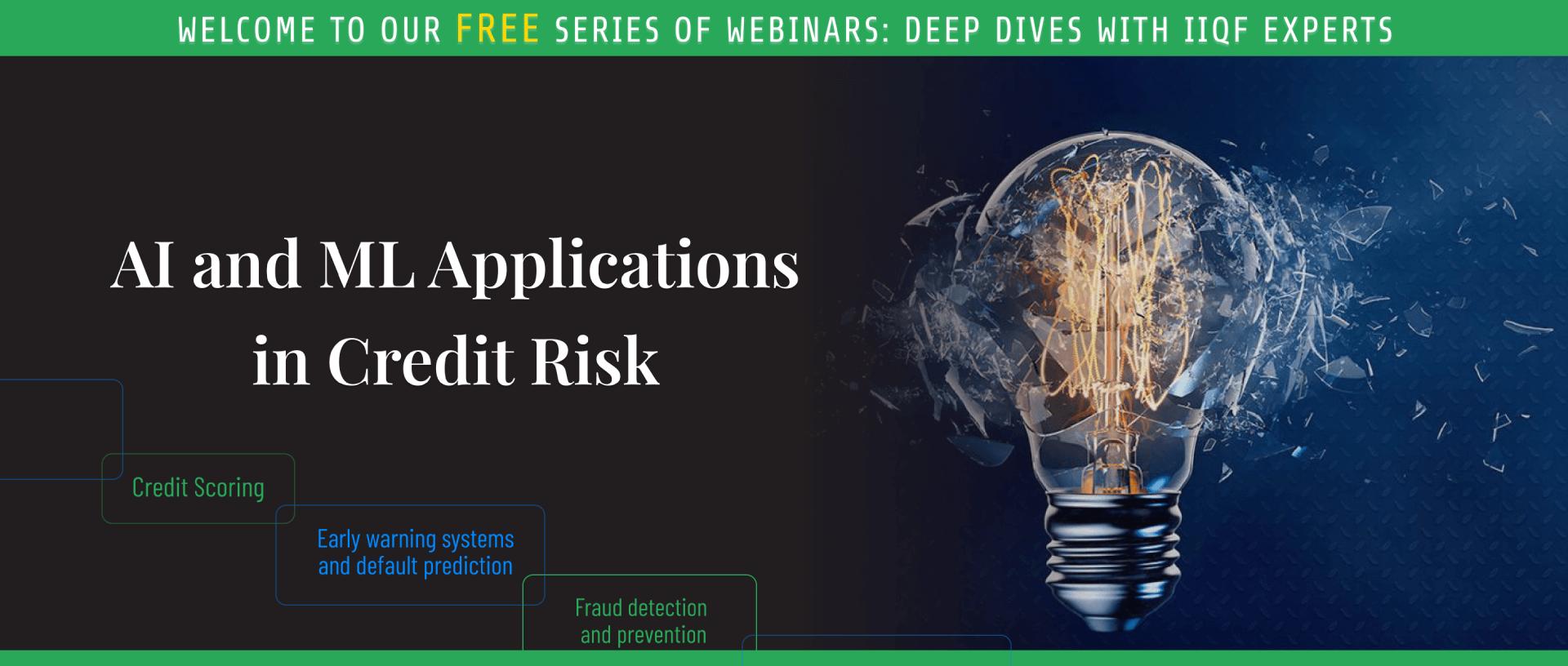
In the wake of the pandemic, financial institutions are increasingly turning to Artificial Intelligence (AI) and Big Data to revolutionize credit risk management. These technologies are enabling banks and lenders to make more informed decisions by analyzing vast amounts of data with unprecedented speed and accuracy. AI algorithms can identify patterns and trends that human analysts might overlook, providing a more nuanced understanding of a borrower’s creditworthiness. This shift not only enhances the precision of risk assessments but also allows for more personalized credit offerings.
- Predictive Analytics: By leveraging big data, institutions can predict potential defaults before they occur, allowing for proactive risk mitigation strategies.
- Real-Time Monitoring: AI-driven systems offer continuous monitoring of credit portfolios, ensuring that any signs of risk are identified and addressed promptly.
- Enhanced Fraud Detection: Machine learning models can detect anomalies in transaction patterns, significantly reducing the risk of fraudulent activities.
As these technologies continue to evolve, they promise to transform the landscape of credit risk management, making it more robust and adaptive to the complexities of the modern economy.
Strengthening Financial Resilience Strategies for Mitigating Future Risks
In the evolving landscape of the post-pandemic economy, businesses are compelled to rethink their financial resilience strategies to effectively navigate credit risk. Proactive risk management is no longer a luxury but a necessity. Companies must embrace a multi-faceted approach that includes diversifying their revenue streams, enhancing liquidity buffers, and adopting advanced analytics to predict and mitigate potential credit disruptions. This involves a keen focus on data-driven decision-making, leveraging real-time insights to identify emerging risks and opportunities. By cultivating a culture of agility and foresight, organizations can better withstand economic fluctuations and ensure long-term sustainability.
- Diversification of revenue streams: Explore new markets and products to reduce dependency on a single source of income.
- Enhanced liquidity management: Maintain sufficient cash reserves to cushion against unexpected financial shocks.
- Advanced analytics: Utilize predictive models and AI to assess creditworthiness and detect early warning signs.
- Robust risk assessment frameworks: Regularly update risk management protocols to reflect current economic conditions.
By integrating these strategies, businesses can not only safeguard against immediate threats but also position themselves for growth in an uncertain economic climate. This strategic foresight is crucial in ensuring that organizations remain resilient and adaptable, ready to face the challenges of a rapidly changing world.
Policy and Regulation Adapting to a Dynamic Economic Landscape
In the wake of the pandemic, policymakers and regulators are faced with the challenge of steering economies through unprecedented shifts. The dynamic economic landscape necessitates a recalibration of traditional frameworks to address emerging credit risks effectively. Key areas of focus include:
- Enhanced Risk Assessment: Financial institutions are urged to adopt more sophisticated risk assessment tools that account for the increased volatility and uncertainty in global markets.
- Adaptive Regulatory Frameworks: Regulations must evolve to accommodate new business models and digital innovations, ensuring that they do not stifle growth while maintaining financial stability.
- Data-Driven Decision Making: Leveraging big data and analytics is crucial for identifying potential credit risks early and formulating timely responses.
These measures are vital in fostering resilience and ensuring that financial systems can withstand future shocks. By embracing a forward-thinking approach, regulators can help navigate the complexities of the post-pandemic economy, balancing growth with risk mitigation.