


In the intricate tapestry of global finance, credit risk stands as a formidable force, weaving uncertainty and opportunity into the fabric of economic landscapes. As we navigate the complexities of the 21st century, understanding the key economic drivers behind today’s credit risk trends has never been more crucial. This article delves into the dynamic interplay of factors shaping credit risk, from geopolitical shifts and technological advancements to evolving market behaviors and regulatory frameworks. With an authoritative lens, we unravel the threads of influence that dictate credit risk, offering insights into how these elements converge to redefine the contours of financial stability and growth. Join us as we explore the pivotal forces steering credit risk in our modern economy, providing a compass for navigating the ever-changing financial frontier.
Understanding the Macroeconomic Forces Shaping Credit Risk
In the intricate web of global finance, understanding the dynamics of credit risk requires a keen eye on macroeconomic forces. These forces, like the shifting tides, can significantly alter the landscape of credit risk, influencing both lenders and borrowers. Inflation rates, for instance, play a pivotal role; rising inflation can erode purchasing power, leading to increased default rates as consumers and businesses struggle to meet their financial obligations. Conversely, a deflationary environment might cause credit conditions to tighten, impacting borrowers’ ability to access funds.
Another critical factor is the interest rate environment. Central banks’ monetary policies, aimed at either stimulating growth or curbing inflation, directly affect borrowing costs. A hike in interest rates typically leads to higher loan repayments, which can strain borrowers’ cash flows and elevate credit risk. On the other hand, lower rates might encourage excessive borrowing, potentially inflating asset bubbles and sowing the seeds for future credit challenges. Additionally, the unemployment rate is a barometer of economic health, with rising unemployment often correlating with increased credit defaults as individuals lose their income streams. These macroeconomic elements, among others, weave a complex tapestry that shapes the contours of credit risk in today’s economy.

Decoding Industry-Specific Vulnerabilities and Opportunities
In today’s rapidly evolving economic landscape, each industry faces its own unique set of vulnerabilities and opportunities that shape credit risk trends. Understanding these nuances is crucial for businesses aiming to navigate financial uncertainties effectively. For instance, the technology sector, driven by rapid innovation and high competition, is susceptible to risks such as cybersecurity threats and intellectual property disputes. However, it also presents opportunities for growth through digital transformation and global market expansion.
Conversely, the manufacturing industry grapples with supply chain disruptions and fluctuating raw material costs, which can significantly impact credit risk. Yet, opportunities abound in adopting sustainable practices and automation, which can lead to cost efficiencies and improved resilience. Key factors to consider include:
- Regulatory Changes: Industries such as finance and healthcare are heavily influenced by regulatory shifts, which can either mitigate or exacerbate credit risks.
- Consumer Behavior: Changes in consumer preferences can create both risks and opportunities, particularly in retail and hospitality sectors.
- Geopolitical Events: Global tensions can affect industries like energy and defense, altering risk profiles and opening new avenues for strategic partnerships.
By dissecting these industry-specific elements, businesses can better align their strategies to not only mitigate risks but also capitalize on emerging opportunities, thereby steering towards sustainable growth in an uncertain economic climate.
Leveraging Data Analytics for Enhanced Credit Risk Assessment
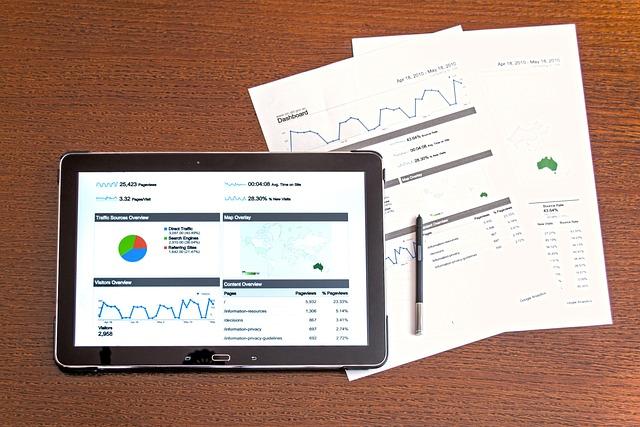
In today’s rapidly evolving financial landscape, the application of data analytics has become indispensable for credit risk assessment. By harnessing the power of big data, financial institutions can gain deeper insights into borrower behavior and market dynamics. Advanced analytics techniques, such as machine learning and predictive modeling, allow for the identification of subtle patterns and trends that traditional methods might overlook. This enables lenders to make more informed decisions, ultimately reducing default rates and improving portfolio performance.
- Real-time data processing: Facilitates the immediate evaluation of creditworthiness, allowing for quicker decision-making.
- Behavioral analytics: Offers insights into borrower habits and potential risk factors, enhancing predictive accuracy.
- Macro-economic indicators: Integrates external economic data to anticipate market shifts and adjust risk models accordingly.
By leveraging these data-driven strategies, financial institutions not only enhance their risk assessment capabilities but also position themselves to adapt swiftly to the ever-changing economic environment.
Strategic Recommendations for Mitigating Emerging Credit Risks
In the face of evolving credit risk landscapes, financial institutions must adopt a proactive stance to safeguard their portfolios. Implementing robust data analytics is crucial, allowing for the early detection of potential defaults by analyzing borrower behavior and macroeconomic indicators. Additionally, fostering a culture of dynamic risk assessment can enable organizations to adapt swiftly to changing market conditions, ensuring that risk management strategies remain relevant and effective.
To further fortify defenses, consider the following strategic actions:
- Diversification of credit portfolios to spread risk across various sectors and geographies.
- Strengthening of underwriting standards to ensure that only creditworthy applicants are approved.
- Enhancement of borrower communication, providing transparency and support to mitigate potential delinquencies.
- Integration of advanced technologies, such as AI and machine learning, to enhance predictive modeling capabilities.
By embracing these strategies, institutions can not only mitigate emerging credit risks but also position themselves for sustainable growth in an uncertain economic environment.