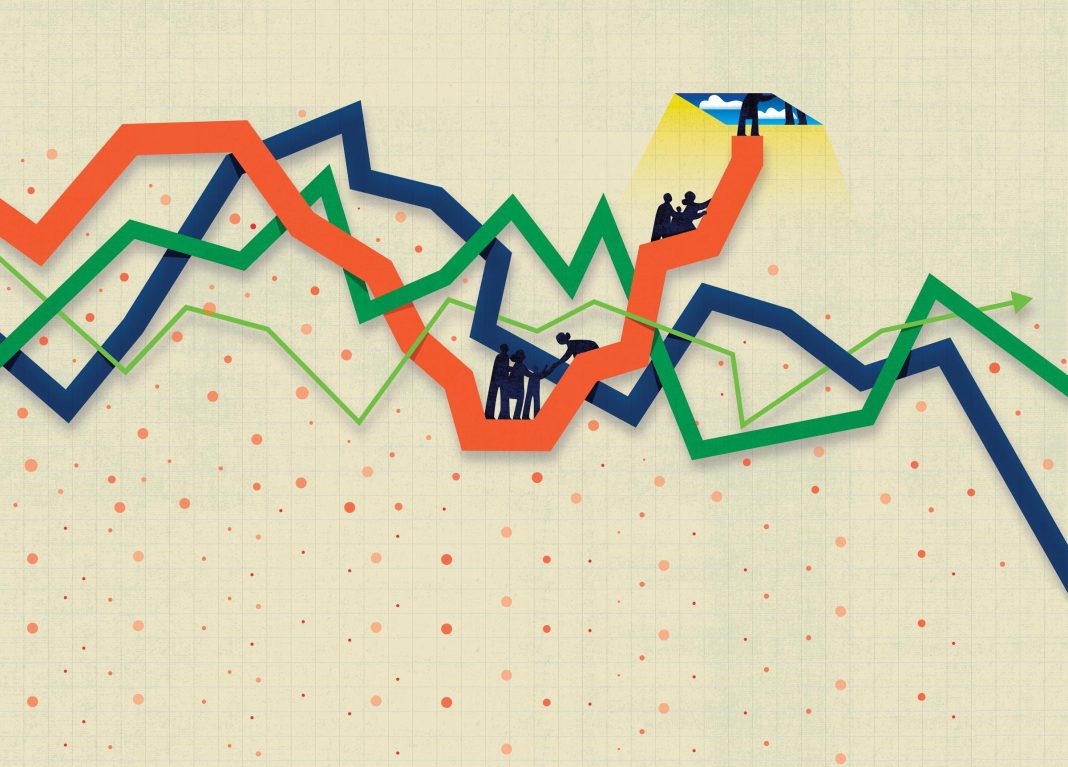

In the intricate dance of global finance, credit risk looms like a shadow, an ever-present specter that threatens to disrupt the delicate balance of economies worldwide. Yet, within this complex interplay, economic recovery emerges as a beacon of hope, a powerful force capable of illuminating the path toward stability and resilience. As nations grapple with the aftermath of financial crises, pandemics, and geopolitical tensions, the role of economic recovery in reducing global credit risk becomes increasingly paramount. This article delves into the multifaceted relationship between these two critical components, exploring how revitalized economies can mitigate the perils of credit exposure, restore investor confidence, and foster a more secure financial landscape. With an authoritative lens, we will examine the mechanisms through which economic recovery can transform potential liabilities into opportunities for growth, ensuring a more robust and interconnected global economy.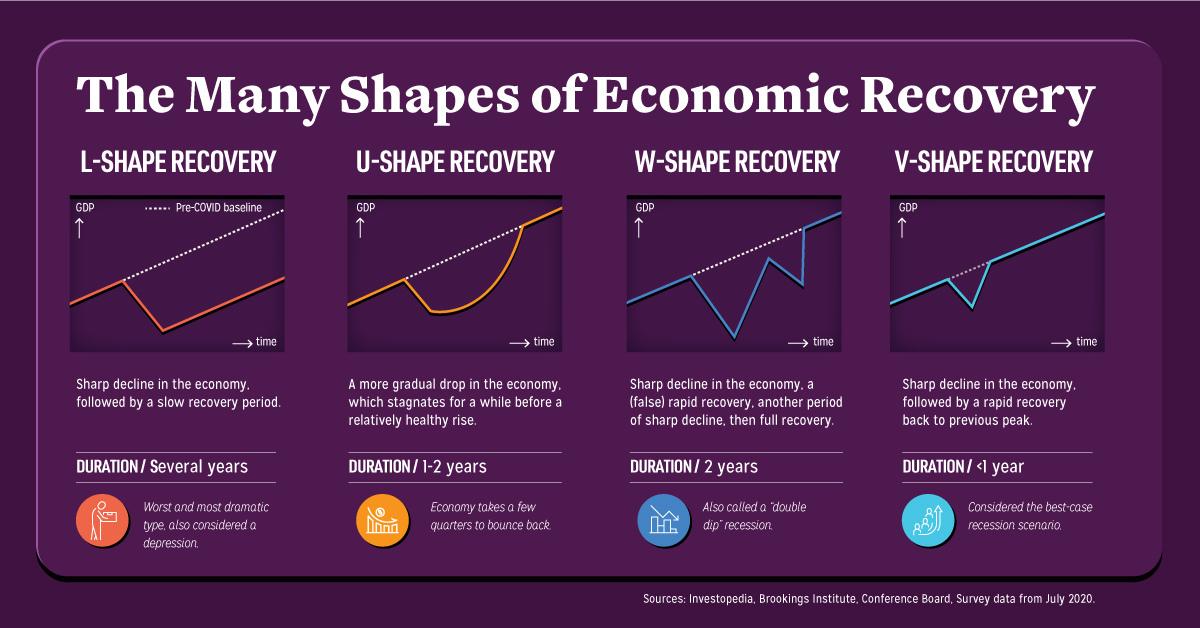
Navigating Economic Recovery Pathways to Mitigate Global Credit Risk
In the intricate dance of global economics, economic recovery serves as a pivotal partner in reducing credit risk, guiding nations toward stability and growth. As economies rebound, the restoration of consumer confidence and business investment acts as a bulwark against potential credit defaults. The process of recovery, however, is multifaceted, requiring a delicate balance of fiscal policies, strategic investments, and international cooperation. Key elements that contribute to a successful economic recovery include:
- Robust fiscal policies: Implementing measures that stimulate growth while maintaining fiscal discipline is crucial. Governments must navigate the fine line between stimulating demand and avoiding excessive debt accumulation.
- Innovative investment strategies: Encouraging investments in sustainable and technology-driven sectors can spur long-term growth and create new avenues for credit stability.
- Global collaboration: Economic recovery is not an isolated endeavor. Collaborative efforts among nations to address trade imbalances and foster financial stability are essential in mitigating global credit risks.
By understanding and implementing these pathways, economies can not only recover but also fortify themselves against future credit uncertainties. The strategic alignment of these elements ensures a resilient economic landscape, capable of withstanding the pressures of a volatile global market.
Harnessing Financial Resilience Strategies for Sustainable Credit Stability
In the quest for sustainable credit stability, the implementation of financial resilience strategies is paramount. These strategies are designed to bolster economic frameworks, enabling them to withstand and recover from financial disruptions effectively. By focusing on the robustness of financial systems, countries can mitigate the impact of global credit risks, ensuring a more stable economic environment. Financial resilience encompasses a range of approaches, from enhancing regulatory frameworks to promoting financial literacy among citizens. It involves:
- Diversifying economic activities to reduce dependency on a single sector.
- Strengthening fiscal policies to create buffers against economic shocks.
- Encouraging innovation in financial products to meet evolving market needs.
- Fostering collaboration between public and private sectors to enhance financial inclusivity.
By integrating these strategies, economies can not only recover more swiftly from downturns but also create a resilient infrastructure that supports long-term credit stability. This proactive approach is essential in navigating the complexities of global financial markets and ensuring sustainable economic growth.

Integrating Policy Innovations to Fortify Economic Recovery and Credit Security
In the intricate tapestry of global finance, the integration of policy innovations serves as a pivotal thread in bolstering economic recovery and enhancing credit security. Strategic policy frameworks are essential in addressing the multifaceted challenges that arise during economic rebounds. These frameworks can include:
- Adaptive regulatory measures that respond to evolving market dynamics.
- Innovative fiscal policies aimed at stimulating sustainable growth.
- Robust financial oversight to mitigate systemic risks.
By implementing these forward-thinking policies, governments and financial institutions can create a resilient economic environment that not only fosters recovery but also reduces the inherent risks associated with global credit markets. This approach ensures that economic recovery is not just a short-term fix but a long-term strategy for stability and prosperity.

Empowering Global Economies through Collaborative Risk Reduction Initiatives
In the interconnected landscape of today’s global economy, economic recovery serves as a pivotal force in mitigating credit risk. As nations rebound from financial downturns, the stability and growth they achieve have far-reaching implications for international credit markets. A robust economic recovery can enhance creditworthiness by fostering improved fiscal policies, increasing consumer confidence, and stimulating investment. Economic revitalization leads to a cascade of positive outcomes that collectively reduce the likelihood of defaults and financial instability.
To effectively harness the power of economic recovery in reducing credit risk, countries are increasingly engaging in collaborative initiatives. These partnerships focus on several key strategies:
- Policy Harmonization: Aligning fiscal and monetary policies across borders to create a more predictable and stable economic environment.
- Information Sharing: Enhancing transparency and communication among financial institutions to better assess and manage risks.
- Capacity Building: Investing in infrastructure and education to support sustainable economic growth and resilience.
By embracing these strategies, nations can collectively build a more resilient global economy, where the reduction of credit risk is not just a possibility, but a shared reality.