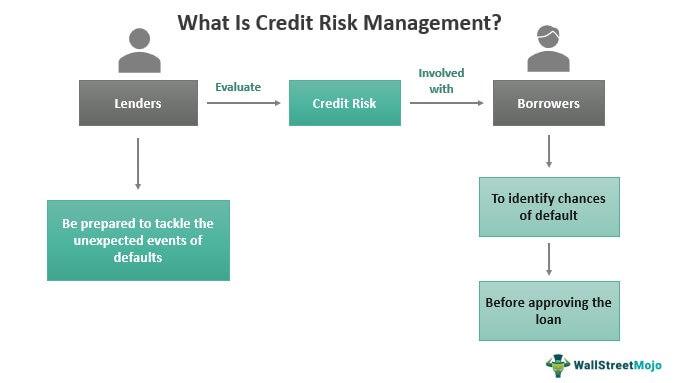


In the labyrinthine world of finance, where every decision is a step on a tightrope, the specter of economic uncertainty looms large, casting shadows over even the most robust portfolios. As the global economy ebbs and flows, credit risk management emerges as the lighthouse guiding financial institutions through turbulent waters. This article delves into the top credit risk management strategies that not only withstand the tempests of economic unpredictability but also transform potential pitfalls into pathways of opportunity. With an authoritative lens, we explore how these strategies can fortify financial fortresses, ensuring resilience and stability in the face of the unknown. Whether you’re a seasoned risk manager or a financial novice, join us as we unravel the complexities of safeguarding assets and navigating the precarious landscape of economic uncertainty.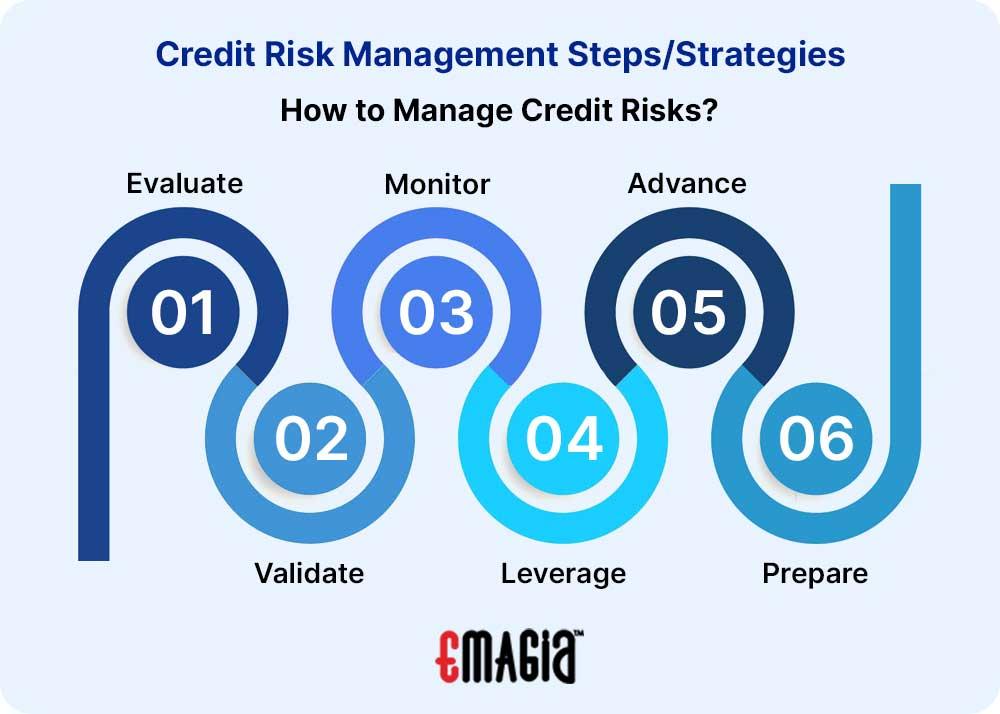
Navigating Economic Storms with Robust Credit Risk Frameworks
In times of economic uncertainty, businesses must adopt a proactive approach to credit risk management. A robust credit risk framework is essential for identifying potential vulnerabilities and mitigating risks before they escalate. Key strategies include:
- Dynamic Risk Assessment: Regularly update risk models to reflect current economic conditions and potential future scenarios. This ensures that the framework remains relevant and responsive to changes.
- Diversification of Credit Portfolios: Spread exposure across various sectors and geographies to minimize the impact of localized economic downturns.
- Enhanced Data Analytics: Utilize advanced analytics and machine learning to gain deeper insights into credit behaviors and trends, allowing for more informed decision-making.
- Strengthened Client Relationships: Engage with clients to understand their financial health and provide tailored solutions that can help them navigate economic challenges.
By implementing these strategies, businesses can fortify their defenses against economic storms, ensuring stability and resilience in their credit risk management practices.
Harnessing Data Analytics for Proactive Risk Assessment
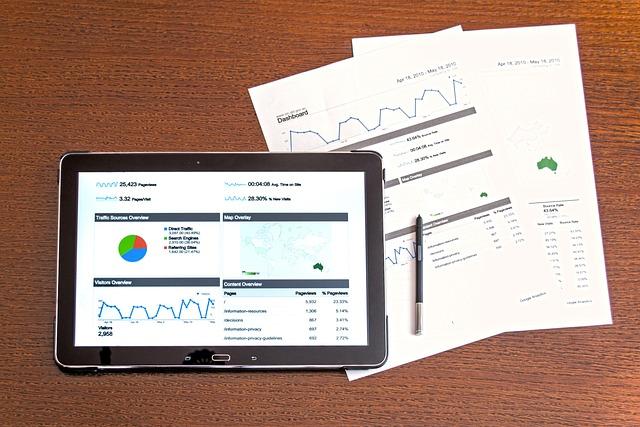
In the ever-evolving landscape of economic uncertainty, leveraging data analytics has become indispensable for financial institutions aiming to stay ahead of potential credit risks. By utilizing advanced analytical tools, organizations can transition from reactive to proactive risk management, allowing them to identify and mitigate potential threats before they materialize. Data analytics empowers institutions to sift through vast amounts of data, uncovering hidden patterns and trends that traditional methods might overlook. This proactive approach not only enhances decision-making but also strengthens the overall resilience of financial portfolios.
Key strategies in this domain include:
- Predictive Modeling: Utilizing machine learning algorithms to forecast potential credit defaults and adjust lending criteria accordingly.
- Real-Time Monitoring: Implementing systems that provide continuous oversight of credit exposures, enabling swift responses to emerging risks.
- Stress Testing: Conducting rigorous simulations to evaluate how portfolios might perform under various economic scenarios.
- Behavioral Analytics: Analyzing borrower behavior to predict future creditworthiness and tailor risk management strategies.
By integrating these strategies, institutions can not only safeguard their assets but also gain a competitive edge in an uncertain economic environment.

Strengthening Portfolio Resilience through Diversification Tactics
In the face of economic uncertainty, diversification remains a cornerstone of robust portfolio management. By spreading investments across various asset classes, sectors, and geographies, investors can mitigate the impact of adverse market conditions. Diversification reduces reliance on any single asset, thus lowering potential risks and enhancing overall portfolio stability. It’s akin to building a financial safety net that can withstand the ebbs and flows of economic cycles.
- Asset Allocation: Allocate investments across equities, bonds, real estate, and commodities to balance risk and return.
- Sector Diversification: Invest in multiple industries to cushion against sector-specific downturns.
- Geographical Spread: Expand beyond domestic markets to capture growth opportunities in emerging and developed economies alike.
Implementing these tactics not only fortifies your portfolio against volatility but also positions it for potential growth in diverse economic landscapes. Remember, the key is not just to diversify, but to do so strategically, aligning with your financial goals and risk tolerance.

Leveraging Stress Testing to Anticipate Financial Vulnerabilities
In an era of economic uncertainty, financial institutions must proactively identify and mitigate potential vulnerabilities. One effective approach is through the use of stress testing. This analytical technique allows organizations to simulate extreme economic scenarios, assessing the resilience of their portfolios and identifying weak points before they become critical issues. By applying stress tests, institutions can gain insights into how various factors, such as interest rate fluctuations or geopolitical events, might impact their financial stability.
- Scenario Analysis: Develop multiple hypothetical situations to evaluate the impact on asset quality and capital adequacy.
- Reverse Stress Testing: Start with a known outcome, such as insolvency, and work backward to identify the conditions that could lead to such a scenario.
- Dynamic Stress Testing: Continuously update stress tests with real-time data to ensure they reflect current market conditions.
By leveraging these techniques, institutions can not only anticipate financial vulnerabilities but also craft robust strategies to navigate through turbulent economic waters.