


In the ever-evolving landscape of finance, where the pulse of global markets can shift in the blink of an eye, understanding credit risk is paramount. As financial professionals navigate this intricate terrain, staying ahead of emerging trends is not just advantageous—it’s essential. In this authoritative exploration, we delve into the top credit risk trends that are shaping the future of finance. From the rise of artificial intelligence in risk assessment to the increasing importance of environmental, social, and governance (ESG) factors, these trends are redefining how credit risk is perceived and managed. Join us as we uncover the critical insights that every financial expert needs to master in order to thrive in today’s dynamic environment.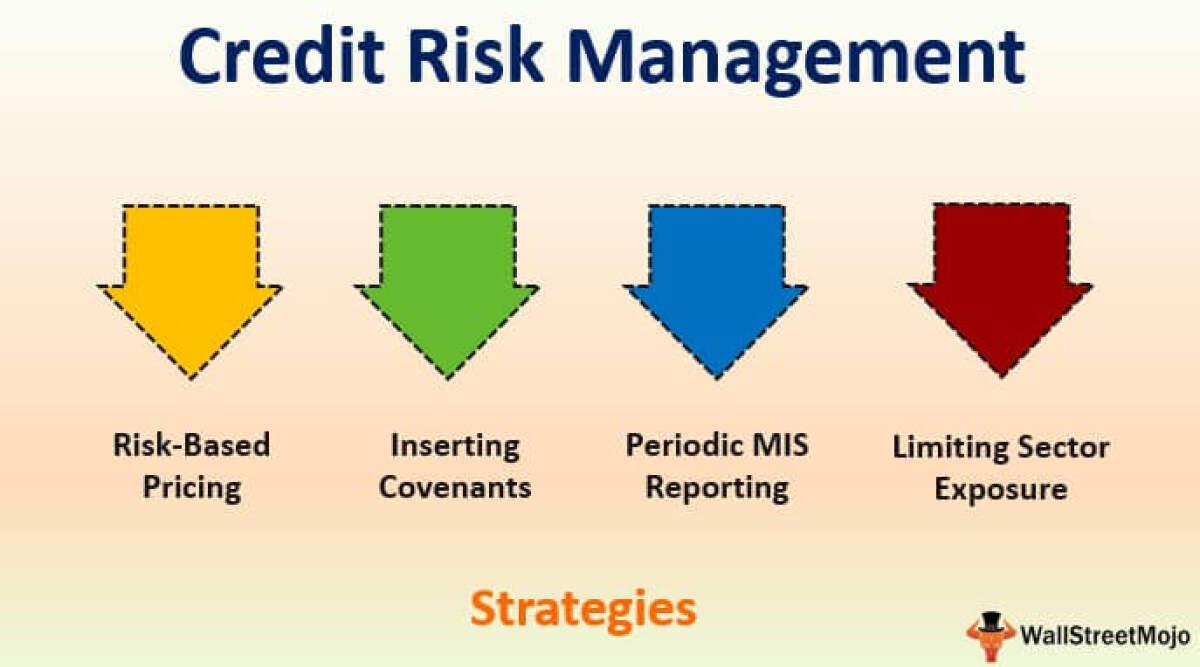
Navigating the Shifting Landscape of Credit Risk
In today’s financial ecosystem, the dynamics of credit risk are constantly evolving, requiring professionals to stay ahead of emerging trends. Digital transformation is reshaping credit risk assessment, with advanced analytics and AI tools enabling more precise risk evaluations. This technological shift allows for real-time data analysis, providing a more comprehensive understanding of borrower behavior and market conditions.
Another critical trend is the increasing focus on environmental, social, and governance (ESG) factors. Financial institutions are now integrating ESG considerations into their credit risk frameworks, acknowledging the long-term impact of these factors on creditworthiness. This shift not only aligns with global sustainability goals but also mitigates potential risks associated with climate change and social responsibility. As these trends continue to unfold, staying informed and adaptable is crucial for financial professionals aiming to navigate this complex landscape effectively.
Harnessing Predictive Analytics for Proactive Risk Management
In today’s rapidly evolving financial landscape, leveraging predictive analytics is crucial for financial professionals aiming to stay ahead of potential risks. By utilizing advanced data analysis techniques, organizations can anticipate and mitigate credit risks before they materialize. Predictive analytics empowers financial institutions to identify patterns and trends that signal potential credit defaults, allowing for more informed decision-making.
- Data-Driven Insights: Harnessing vast amounts of data from diverse sources, predictive analytics provides a comprehensive view of a borrower’s financial health.
- Real-Time Monitoring: Continuous data analysis enables real-time monitoring of credit portfolios, facilitating swift responses to emerging risks.
- Enhanced Decision-Making: By integrating predictive models, financial professionals can make proactive adjustments to lending strategies, reducing exposure to high-risk borrowers.
Adopting these strategies not only strengthens risk management frameworks but also fosters a culture of proactive financial stewardship. In a world where data is king, predictive analytics is the key to unlocking a future of informed and resilient financial operations.
The Role of ESG Factors in Modern Credit Assessment
In the evolving landscape of credit assessment, the integration of Environmental, Social, and Governance (ESG) factors has become a pivotal consideration for financial professionals. As investors and stakeholders increasingly prioritize sustainability, the ability to evaluate a company’s ESG performance is no longer optional—it’s essential. These factors offer a more holistic view of potential risks and opportunities, transcending traditional financial metrics. Environmental considerations might include a company’s carbon footprint or resource management strategies, while social factors assess labor practices and community impact. Governance scrutinizes corporate leadership and ethical standards. Together, these elements provide a comprehensive risk profile that aligns with the growing demand for responsible investing.
- Environmental: Examines a company’s impact on the planet, including emissions and resource usage.
- Social: Focuses on the company’s relationships with employees, suppliers, and communities.
- Governance: Evaluates the leadership, audits, and internal controls of the organization.
By embedding ESG factors into credit assessments, financial professionals can uncover insights that may not be visible through conventional analysis. This approach not only enhances risk management but also aligns credit portfolios with the ethical values increasingly demanded by investors. As the financial world leans towards sustainability, the role of ESG in credit assessment is set to grow, reshaping the way creditworthiness is determined in the modern era.
Strategies for Mitigating Emerging Credit Risks in Volatile Markets
In today’s rapidly changing financial landscape, understanding and addressing emerging credit risks is crucial for maintaining stability and growth. Financial professionals can employ a variety of strategies to navigate these challenges effectively. Diversification remains a cornerstone strategy, allowing institutions to spread risk across different sectors and geographies. By investing in a broad range of assets, firms can mitigate the impact of sector-specific downturns. Additionally, embracing advanced data analytics can provide deeper insights into potential risks, enabling proactive measures rather than reactive responses.
Another critical approach is to enhance stress testing procedures. Regularly simulating adverse economic scenarios helps institutions identify vulnerabilities and prepare contingency plans. Strengthening credit underwriting standards is also essential, ensuring that loans are granted based on rigorous assessments of borrowers’ financial health. Furthermore, maintaining open lines of communication with borrowers can provide early warning signs of potential defaults, allowing for timely interventions. By adopting these strategies, financial professionals can better safeguard their portfolios against the uncertainties of volatile markets.