

In the intricate dance of global finance, interest rates are the metronome, setting the rhythm for economies to follow. As these rates ascend, they cast a long shadow over the credit markets, stirring concerns that ripple through boardrooms and kitchen tables alike. The once placid waters of borrowing and lending are now turbulent, with investors and policymakers navigating a landscape fraught with uncertainty. This article delves into the complexities of rising interest rates, unraveling why this upward trend is not just a numerical adjustment, but a pivotal force reshaping the very foundation of credit markets. With an authoritative lens, we explore the potential repercussions on businesses, consumers, and the broader economic tapestry, offering insights into why these shifts demand our attention and understanding.
Impact on Corporate Borrowing Costs
In an environment of escalating interest rates, corporations find themselves grappling with the daunting challenge of increased borrowing costs. As rates climb, the expense of servicing existing debt swells, squeezing profit margins and compelling companies to reassess their financial strategies. This scenario is particularly concerning for businesses that rely heavily on leverage to fuel growth and expansion. Corporate treasurers must now navigate a landscape where refinancing existing debt could mean significantly higher interest payments, potentially diverting funds away from crucial investments and innovation.
- Increased Debt Servicing Costs: Higher interest rates translate directly into more expensive debt servicing, impacting cash flow and profitability.
- Refinancing Risks: Companies facing maturing debt may encounter difficulties refinancing at favorable terms, leading to potential liquidity issues.
- Investment Delays: With more resources allocated to debt repayment, capital for new projects and expansions may become scarce.
Moreover, credit markets may witness a shift in risk perception, with lenders becoming more cautious and selective. This heightened scrutiny can lead to tighter credit conditions, making it even more challenging for businesses to secure financing. As a result, companies may need to explore alternative funding avenues or adopt more conservative financial policies to mitigate the impact of rising rates on their borrowing costs.

Strain on Consumer Credit and Spending
In an economic climate where interest rates are on the rise, consumers are feeling the pinch in more ways than one. The cost of borrowing is climbing, leading to a noticeable strain on consumer credit. As interest rates increase, so do the monthly payments on variable-rate credit cards and loans, making it harder for consumers to manage their debt. This situation is exacerbated by stagnant wage growth, which means that even as the cost of living rises, income levels are not keeping pace.
- Higher monthly payments on credit cards and loans
- Reduced disposable income for discretionary spending
- Increased risk of default on outstanding debts
These factors collectively lead to a reduction in consumer spending, a key driver of economic growth. As people tighten their belts, businesses may see a drop in sales, leading to a potential slowdown in economic activity. This creates a feedback loop where reduced spending can lead to slower economic growth, further impacting consumer confidence and financial stability. In such an environment, both consumers and businesses must navigate carefully to avoid falling into a cycle of debt and reduced economic activity.
Navigating the Volatility with Strategic Investments
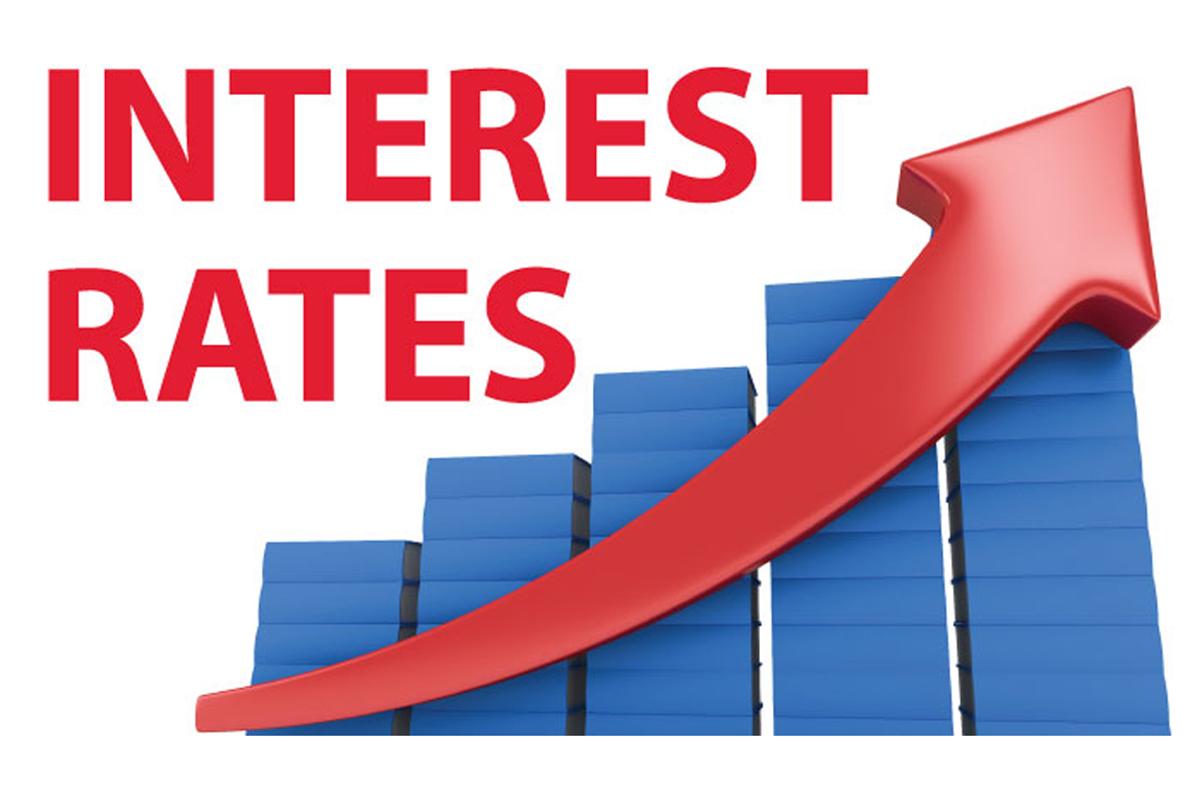
In an era of rising interest rates, the credit markets are facing unprecedented challenges. The increased cost of borrowing can lead to a tightening of credit conditions, which can ripple through the economy. Investors need to be vigilant and strategic in their approach to navigating this volatility. Strategic investments become crucial as they offer a way to hedge against the uncertainties that come with fluctuating interest rates. By diversifying portfolios and focusing on assets that can withstand economic shifts, investors can mitigate risks and capitalize on opportunities.
- Quality Bonds: Consider bonds with high credit ratings that are less susceptible to default risks.
- Floating Rate Notes: These can provide a buffer against rising rates as their interest payments adjust with market conditions.
- Equity in Stable Sectors: Invest in sectors that traditionally perform well during rate hikes, such as utilities and consumer staples.
- Alternative Investments: Explore options like real estate or commodities, which may offer protection against inflationary pressures.
By embracing a diversified and informed investment strategy, one can effectively navigate the complexities of the current credit market landscape, turning potential pitfalls into opportunities for growth.
Policy Adjustments and Risk Mitigation Strategies
In response to the challenges posed by rising interest rates, financial institutions are adopting a range of policy adjustments and risk mitigation strategies to safeguard their credit portfolios. One key approach is the diversification of loan portfolios, which involves spreading credit exposure across various sectors and geographic regions to minimize the impact of localized economic downturns. Additionally, many institutions are enhancing their credit assessment processes, employing advanced analytics and machine learning to better predict borrower default risks.
Another critical strategy is the implementation of dynamic interest rate models that allow for more flexible loan pricing. This approach helps in maintaining competitive interest rates while managing the cost of funds. Financial entities are also focusing on strengthening their capital reserves to absorb potential losses, ensuring they remain compliant with regulatory requirements. Moreover, there’s a growing emphasis on hedging interest rate risks through derivatives and other financial instruments, providing a buffer against market volatility. These proactive measures are essential in navigating the complexities of today’s credit markets.