
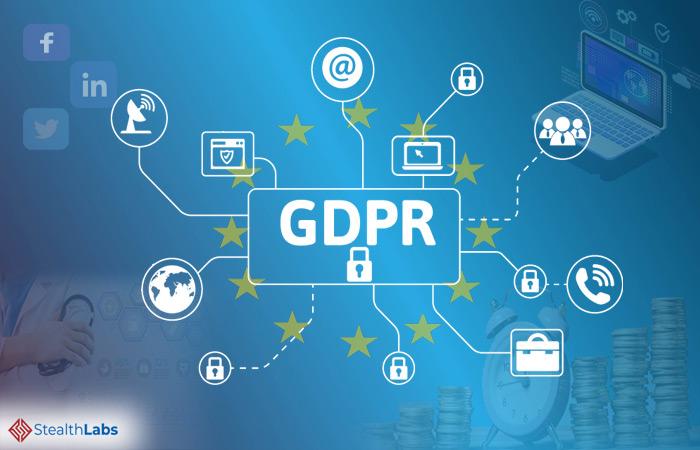

In the intricate tapestry of modern governance, two formidable forces—General Data Protection Regulation (GDPR) and financial regulation—intertwine, shaping the landscape of compliance and accountability. While at first glance these regulatory frameworks may seem to operate in parallel universes, one safeguarding personal data and the other fortifying financial systems, a closer examination reveals a profound interconnection. As digital transformation accelerates, data becomes the new currency, and financial institutions find themselves at the crossroads of these two regulatory titans. This article delves into the symbiotic relationship between GDPR and financial regulation, unraveling how they collectively forge a path toward enhanced transparency, security, and trust in an increasingly complex world. Through a lens of authority and insight, we explore the converging paths of data protection and financial oversight, revealing how their alignment is not just beneficial but essential in the digital age.
Understanding the Intersection of GDPR and Financial Compliance
The intricate dance between the General Data Protection Regulation (GDPR) and financial compliance is a testament to the evolving landscape of data protection and financial integrity. Both frameworks are designed to safeguard individuals and institutions, yet they operate in tandem, creating a web of obligations for financial entities. At the heart of this intersection lies the shared goal of transparency and accountability. Financial institutions must not only ensure that their data handling practices are compliant with GDPR but also align with stringent financial regulations such as the Anti-Money Laundering Directive (AMLD) and the Markets in Financial Instruments Directive (MiFID II).
- Data Minimization: Financial entities are required to collect only the data necessary for their operations, ensuring compliance with both GDPR and financial regulations.
- Data Security: Protecting sensitive financial data is paramount, with GDPR mandating robust security measures that dovetail with financial compliance requirements.
- Consent and Processing: Obtaining clear consent for data processing is crucial, aligning with GDPR’s emphasis on user rights and financial regulations’ focus on ethical data use.
By understanding these connections, financial institutions can navigate the regulatory landscape more effectively, ensuring both legal compliance and customer trust.

Navigating Data Privacy in the Financial Sector
In the ever-evolving landscape of the financial sector, data privacy has become a cornerstone of regulatory compliance. The General Data Protection Regulation (GDPR) serves as a robust framework for ensuring that personal data is handled with the utmost care. Financial institutions are required to implement stringent measures to protect consumer data, aligning with the principles of transparency, accountability, and consent. This is not just a legal obligation but a critical component of maintaining trust in an industry that thrives on the confidence of its clients.
Key connections between GDPR and financial regulation include:
- Data Minimization: Financial institutions must ensure that only necessary data is collected and processed, aligning with both GDPR and financial compliance requirements.
- Enhanced Security Measures: The integration of advanced encryption and cybersecurity protocols is essential to protect sensitive financial data, as mandated by GDPR.
- Transparency and Consent: Clear communication with clients about data usage and obtaining explicit consent is a shared priority, bridging GDPR mandates with financial regulations.
- Right to Access and Erasure: Clients’ rights to access their data and request its deletion are reinforced by GDPR, impacting how financial services manage data retention and disposal.
By weaving GDPR principles into the fabric of financial regulation, institutions not only comply with legal standards but also enhance their operational integrity and customer trust. This synergy ensures that the financial sector remains a bastion of data protection in an increasingly digital world.
Key Challenges and Opportunities in Harmonizing GDPR with Financial Regulations
Navigating the intersection of GDPR and financial regulations presents both challenges and opportunities for organizations. One of the primary challenges is ensuring compliance with both sets of regulations, which often have overlapping but distinct requirements. For instance, while GDPR emphasizes the protection of personal data, financial regulations focus on the transparency and security of financial transactions. This can lead to potential conflicts, such as the need to retain transaction data for regulatory purposes versus the GDPR’s principle of data minimization.
On the other hand, this convergence offers unique opportunities for organizations to innovate and enhance their data governance frameworks. By aligning GDPR compliance with financial regulatory requirements, businesses can build more robust systems that not only protect consumer data but also foster trust and transparency. Some potential opportunities include:
- Enhanced Data Security: Implementing comprehensive data protection measures that satisfy both GDPR and financial regulations.
- Improved Customer Trust: Demonstrating a commitment to privacy and security can strengthen customer relationships.
- Streamlined Compliance Processes: Developing integrated compliance strategies can reduce operational complexities and costs.
By strategically addressing these challenges and seizing the opportunities, organizations can not only ensure compliance but also gain a competitive edge in the financial sector.
Strategic Recommendations for Financial Institutions to Enhance Data Protection Compliance
In the intricate landscape of financial regulation, aligning with GDPR mandates requires a proactive approach to data protection. Financial institutions must prioritize the development of a comprehensive data governance framework. This framework should include a robust data inventory process to ensure that all personal data is accurately mapped and classified. Regular audits and risk assessments are essential to identify vulnerabilities and ensure compliance with both GDPR and financial regulations. Moreover, investing in advanced encryption technologies and secure data storage solutions can significantly mitigate risks associated with data breaches.
- Data Minimization: Implement strategies to limit the collection and retention of personal data to what is strictly necessary for regulatory compliance and business operations.
- Employee Training: Regularly train staff on data protection policies and procedures to foster a culture of compliance and awareness.
- Incident Response Plan: Develop and maintain a robust incident response plan to swiftly address data breaches and notify affected parties in accordance with GDPR timelines.
By integrating these strategic recommendations, financial institutions can not only enhance their data protection compliance but also build trust with their clients and stakeholders, reinforcing their reputation as custodians of sensitive financial information.