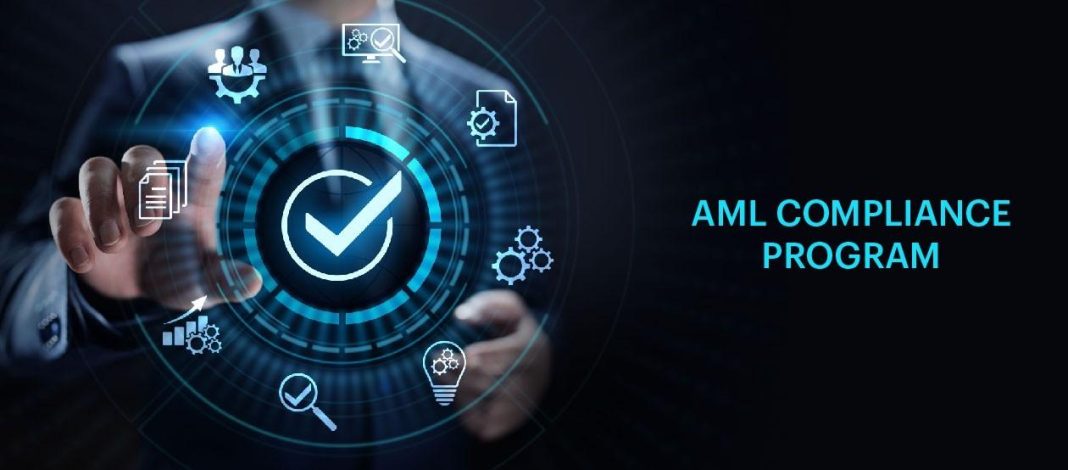

In the intricate dance of global finance, where trillions of dollars ebb and flow across borders, the specter of money laundering looms large, threatening to erode the integrity of financial systems worldwide. As the guardians of economic sanctity, financial institutions bear the formidable responsibility of erecting formidable barriers against these illicit tides. Crafting a robust Anti-Money Laundering (AML) program is not merely a regulatory obligation but a strategic imperative that safeguards an institution’s reputation and fortifies its operational resilience. This article delves into the art and science of implementing a strong AML program, offering a comprehensive blueprint for financial institutions determined to stand resolute against the shadowy undercurrents of financial crime. Join us as we unravel the complexities and unveil the essential components that transform compliance into a cornerstone of trust and security in the financial world.
Building a Robust Framework for AML Compliance
In today’s rapidly evolving financial landscape, establishing a robust framework for Anti-Money Laundering (AML) compliance is paramount for financial institutions. This framework serves as the backbone of an effective AML program, ensuring that all aspects of compliance are meticulously addressed. To construct such a framework, institutions must focus on key components that align with regulatory requirements and industry best practices. These components include:
- Risk Assessment: Conducting comprehensive risk assessments to identify and evaluate potential money laundering threats specific to the institution’s operations.
- Policies and Procedures: Developing clear, concise, and enforceable policies and procedures that guide employees in identifying and reporting suspicious activities.
- Training and Awareness: Implementing regular training programs to ensure that all employees are well-versed in AML regulations and the institution’s specific policies.
- Monitoring and Reporting: Utilizing advanced technology and analytics to monitor transactions and generate timely reports on suspicious activities.
- Independent Audits: Conducting regular independent audits to assess the effectiveness of the AML program and identify areas for improvement.
By integrating these elements into a cohesive strategy, financial institutions can not only comply with legal obligations but also fortify their defenses against financial crime, thereby safeguarding their reputation and integrity.

Harnessing Technology to Enhance AML Detection and Reporting
In today’s rapidly evolving financial landscape, leveraging cutting-edge technology is crucial for strengthening Anti-Money Laundering (AML) detection and reporting. Artificial Intelligence (AI) and Machine Learning (ML) are at the forefront of this transformation, enabling financial institutions to identify suspicious activities with unprecedented accuracy and speed. By integrating AI-driven algorithms, institutions can analyze vast amounts of transactional data in real-time, uncovering patterns and anomalies that might otherwise go unnoticed. This not only enhances the efficiency of AML processes but also significantly reduces the risk of false positives, allowing compliance teams to focus on genuine threats.
- Automated Monitoring Systems: Deploy AI-powered tools to continuously monitor transactions, flagging potential risks without human intervention.
- Data Analytics: Utilize advanced analytics to interpret complex data sets, providing insights that can inform strategic decisions and improve compliance.
- Blockchain Technology: Implement blockchain solutions to ensure transparency and traceability, making it easier to track the flow of funds and detect illicit activities.
- RegTech Solutions: Embrace regulatory technology to streamline compliance processes, ensuring that institutions remain agile and responsive to evolving regulatory requirements.
By embracing these technological advancements, financial institutions can not only bolster their AML defenses but also enhance their overall operational resilience, safeguarding against the ever-present threat of financial crime.

Cultivating a Culture of Vigilance and Accountability
To effectively combat financial crimes, financial institutions must foster an environment where vigilance and accountability are not just encouraged but are integral to the organizational ethos. This begins with a commitment from leadership to prioritize Anti-Money Laundering (AML) initiatives. Leadership should set a clear tone at the top, ensuring that every employee understands the importance of their role in maintaining the integrity of the financial system. This commitment can be demonstrated through regular communication, comprehensive training programs, and by embedding AML responsibilities into performance evaluations.
Moreover, a culture of vigilance is sustained by empowering employees to act as the first line of defense. This involves creating a robust whistleblower program that protects and encourages staff to report suspicious activities without fear of retaliation. Financial institutions should also implement regular audits and assessments to ensure compliance with AML regulations and identify potential vulnerabilities. By integrating these practices, institutions not only comply with legal obligations but also build a reputation for trustworthiness and ethical conduct.
- Leadership Commitment: Set a clear tone at the top.
- Employee Empowerment: Encourage reporting of suspicious activities.
- Regular Audits: Conduct assessments to ensure compliance.
Continuous Training and Adaptation in the Face of Evolving Threats
In an era where financial crimes are becoming increasingly sophisticated, financial institutions must remain vigilant and proactive. Continuous training and adaptation are critical components of a robust Anti-Money Laundering (AML) program. Financial institutions should prioritize ongoing education and development for their staff, ensuring they are equipped with the latest knowledge and skills to identify and mitigate potential threats. Regular workshops, seminars, and e-learning modules can be employed to keep employees informed about emerging trends and regulatory changes. Furthermore, collaboration with industry experts and participation in global AML forums can provide valuable insights into evolving threat landscapes.
- Regular Training Sessions: Conduct frequent training sessions to keep employees updated on new AML regulations and typologies.
- Adaptive Technology: Invest in advanced technologies such as AI and machine learning to enhance detection capabilities.
- Scenario-Based Learning: Use real-world scenarios to train staff on identifying and responding to suspicious activities.
- Feedback Mechanisms: Implement systems for employees to report challenges and suggest improvements in AML processes.
By fostering a culture of continuous learning and leveraging adaptive technologies, financial institutions can better position themselves to counteract the ever-evolving tactics of financial criminals. This proactive approach not only strengthens the institution’s defenses but also ensures compliance with global regulatory standards.