

In the intricate tapestry of today’s globalized financial market, the threads of compliance weave a narrative as complex as it is crucial. As financial institutions extend their reach across borders, they encounter a landscape rife with both opportunity and peril. The promise of new markets and diversified portfolios is tantalizing, yet it is shadowed by the formidable challenge of navigating a labyrinth of international regulations. In this ever-evolving arena, managing compliance risks is not merely a necessity; it is an art form that demands precision, foresight, and unwavering diligence. This article delves into the strategies and insights essential for mastering compliance in a world where the only constant is change. Join us as we explore the path to safeguarding your organization against the multifaceted risks that accompany the pursuit of global financial success.
Navigating Regulatory Landscapes Across Borders
In today’s interconnected financial world, the challenge of managing compliance risks is more intricate than ever. As businesses expand their operations across borders, they must navigate a complex web of regulations that vary from one jurisdiction to another. This requires a proactive approach, with a keen understanding of both local and international laws. Effective compliance management involves not only adhering to existing regulations but also anticipating changes and preparing for their implications.
Companies can streamline their compliance efforts by implementing a few key strategies:
- Establish a dedicated compliance team: This team should be well-versed in the regulatory environments of all the regions in which the company operates.
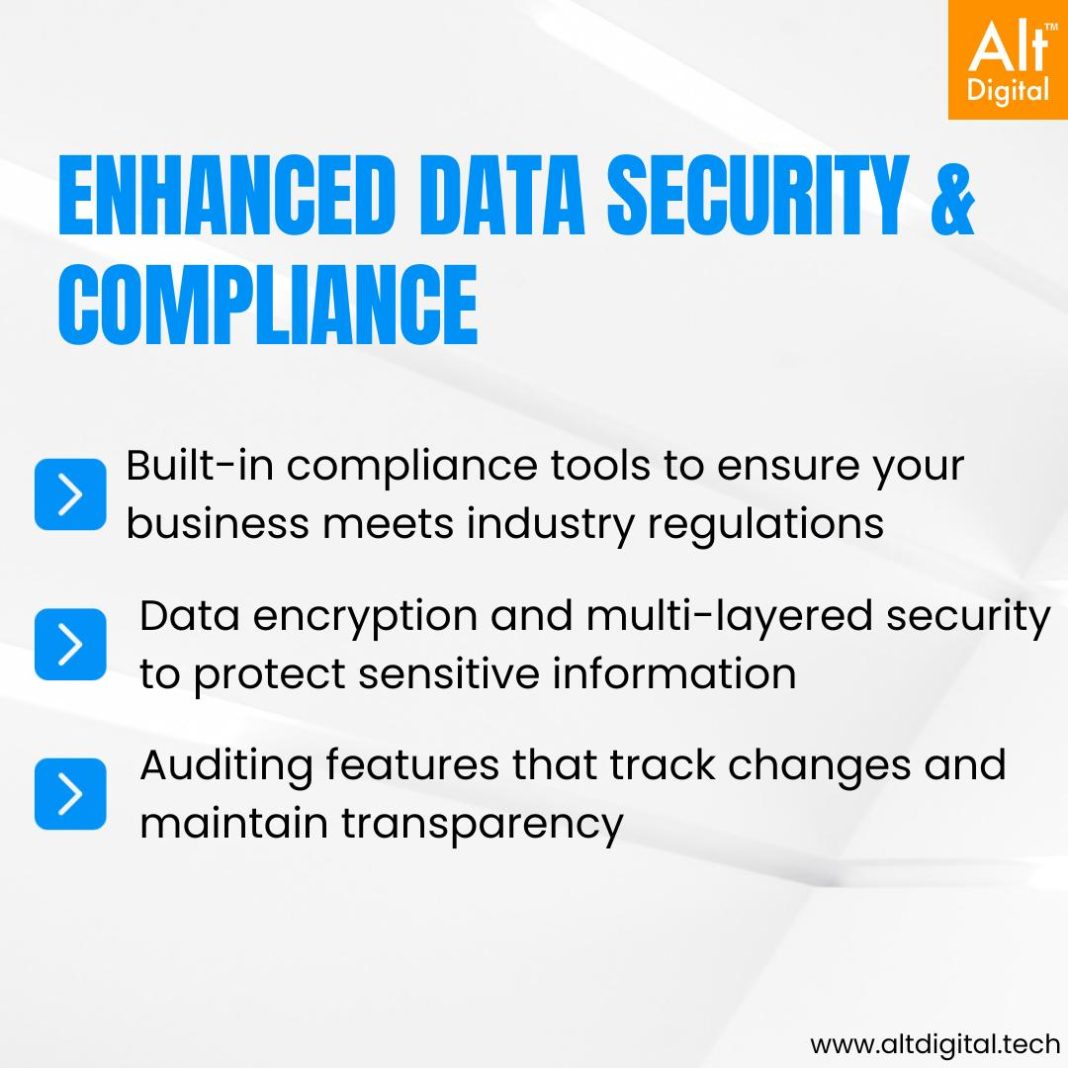
- Leverage technology: Utilize compliance management software to monitor changes in regulations and automate reporting processes.
- Foster a culture of compliance: Encourage employees at all levels to prioritize compliance and report potential issues without fear of retribution.
- Engage with local experts: Collaborate with local legal and financial experts to gain insights into regional regulatory nuances.
By adopting these strategies, businesses can better manage compliance risks and ensure they remain competitive in the global financial market.

Implementing Robust Compliance Frameworks for Global Operations
In today’s interconnected financial landscape, establishing a robust compliance framework is not just a regulatory requirement but a strategic imperative. To effectively manage compliance risks, organizations must adopt a proactive approach that integrates compliance into every facet of their operations. This involves creating a culture of compliance that is both comprehensive and adaptable to the nuances of different jurisdictions. Key elements of a robust compliance framework include:
- Global Policy Alignment: Ensure that compliance policies are consistent across all regions while allowing for local adaptations to meet specific regulatory requirements.
- Technology Integration: Leverage advanced technologies such as AI and machine learning to monitor transactions and detect anomalies in real-time, enhancing the ability to respond swiftly to potential compliance breaches.
- Continuous Training and Education: Regularly update training programs to keep staff informed about the latest regulatory changes and ethical standards, fostering a vigilant and informed workforce.
- Risk Assessment and Management: Conduct thorough risk assessments to identify potential vulnerabilities and implement controls tailored to mitigate these risks effectively.
By embedding these strategies into their operational DNA, organizations can not only navigate the complexities of global compliance but also gain a competitive edge in the financial market.
Leveraging Technology for Enhanced Risk Monitoring
In the intricate web of global finance, technology emerges as a formidable ally in navigating the turbulent waters of compliance risk. Financial institutions are increasingly harnessing advanced technologies to fortify their risk monitoring frameworks. Artificial Intelligence (AI) and Machine Learning (ML) algorithms sift through vast datasets to identify patterns and anomalies that could signal potential compliance breaches. This proactive approach not only enhances accuracy but also accelerates response times, allowing firms to address issues before they escalate.
Furthermore, the integration of Blockchain technology offers unparalleled transparency and traceability, ensuring that every transaction is recorded immutably. This digital ledger technology minimizes the risk of fraud and enhances trust among stakeholders. Key technological strategies include:
- Implementing real-time data analytics to monitor transactions continuously.
- Utilizing cloud-based solutions for scalable and flexible risk management.
- Deploying automated compliance checks to reduce human error and improve efficiency.
By strategically leveraging these technological advancements, financial institutions can not only safeguard themselves against compliance risks but also gain a competitive edge in the global market.
Cultivating a Culture of Compliance in Diverse Financial Environments
In today’s interconnected financial landscape, fostering a culture of compliance is not just a regulatory requirement but a strategic imperative. Organizations must navigate a mosaic of regulations across jurisdictions, each with its unique challenges and expectations. To effectively manage compliance risks, companies should focus on building a robust framework that embraces diversity and adaptability. Key strategies include:
- Inclusive Training Programs: Develop comprehensive training sessions that are sensitive to cultural differences and local regulations, ensuring that all employees understand their roles in maintaining compliance.
- Localized Compliance Teams: Establish teams that include local experts who can provide insights into regional regulatory nuances and help tailor compliance practices accordingly.
- Dynamic Policy Development: Create flexible policies that can be easily adjusted to accommodate changes in the regulatory environment, leveraging technology to streamline updates and communication.
By embedding these practices into the organizational ethos, companies can not only mitigate risks but also enhance their reputation and operational efficiency in the global market.