

In the ever-evolving landscape of modern business, the pursuit of growth often feels like a high-stakes balancing act, where the scales tip between innovation and compliance. As industries face an increasingly complex web of regulatory requirements, the challenge lies in not just adhering to these mandates, but doing so without stifling the very essence of entrepreneurial spirit and expansion. This conundrum leaves many business leaders pondering a crucial question: How can one navigate the labyrinth of regulations while still fueling the engines of growth? In this article, we unravel the strategies that empower businesses to transform compliance from a burdensome obligation into a catalyst for innovation and success. Join us as we explore the art of harmonizing regulatory adherence with ambitious growth, ensuring that your enterprise not only survives but thrives in the face of regulatory scrutiny.
Navigating the Compliance Landscape with Strategic Precision
In today’s dynamic business environment, achieving compliance while maintaining growth requires a strategic approach that balances regulatory demands with business objectives. Understanding the regulatory landscape is crucial, as it allows businesses to anticipate changes and adjust their strategies accordingly. This involves staying informed about industry-specific regulations, as well as broader legal requirements that could impact operations.
To effectively navigate this landscape, consider implementing the following strategies:
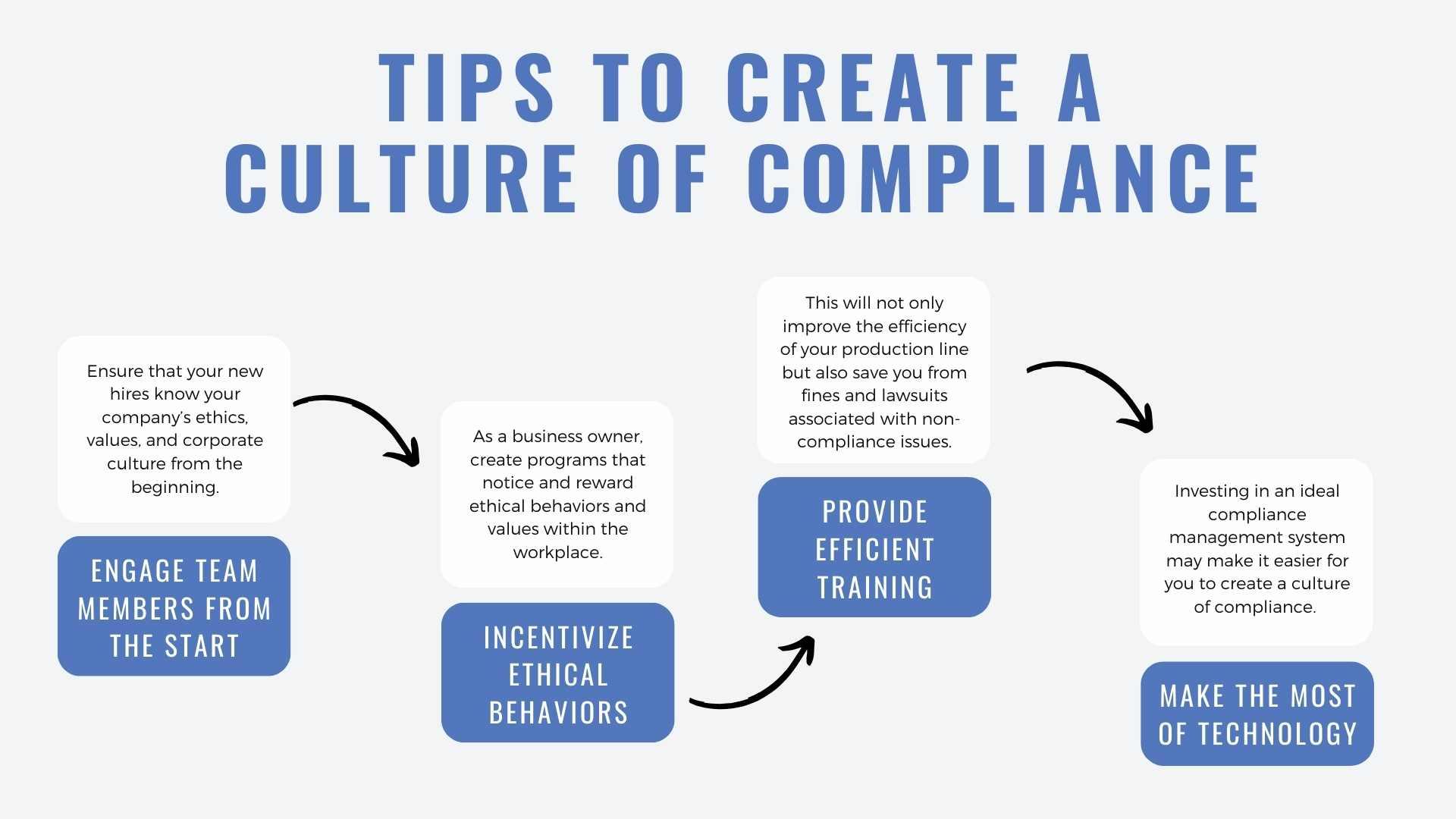
- Develop a compliance culture: Encourage a company-wide commitment to compliance by integrating it into your organizational values and practices.
- Invest in technology: Utilize compliance management software to streamline processes, track regulatory changes, and ensure timely updates.
- Engage with experts: Collaborate with legal and compliance professionals who can provide insights and guidance tailored to your industry.
- Continuous training: Regularly educate employees on compliance requirements and best practices to foster awareness and accountability.
By prioritizing these strategies, businesses can meet regulatory requirements without compromising their growth trajectory, ensuring both compliance and competitive advantage.
Harnessing Innovation to Drive Compliance and Growth
In today’s rapidly evolving business landscape, companies must navigate a complex web of regulations while striving for growth. The key lies in leveraging innovation to not only meet compliance requirements but also to fuel expansion. By integrating cutting-edge technologies and forward-thinking strategies, businesses can transform regulatory challenges into opportunities for advancement.
- Adopt Advanced Technologies: Utilize AI and machine learning to automate compliance processes, reducing human error and freeing up resources for growth initiatives.
- Implement Agile Frameworks: Foster a culture of adaptability that allows your organization to quickly respond to regulatory changes without disrupting business operations.
- Data-Driven Decision Making: Harness big data analytics to gain insights into compliance trends and customer behavior, informing strategic decisions that align with both regulatory and business goals.
- Collaborate Across Departments: Encourage cross-functional teams to work together, ensuring that compliance efforts are integrated into the broader business strategy.
By focusing on these innovative approaches, companies can ensure they remain compliant while also paving the way for sustainable growth and competitive advantage.
Building a Culture of Compliance for Sustainable Success
In today’s dynamic business environment, achieving compliance is not just about ticking boxes but about fostering a robust culture that aligns with regulatory frameworks while driving growth. To build such a culture, organizations must prioritize education and awareness. Employees should be equipped with the knowledge to understand the importance of compliance, how it integrates with their daily tasks, and the impact it has on the organization’s reputation and success. Regular training sessions, workshops, and accessible resources can empower teams to make informed decisions that support both compliance and innovation.
Another crucial element is the implementation of clear policies and procedures that are regularly reviewed and updated to reflect the latest regulatory changes. These should be communicated effectively across all levels of the organization, ensuring that everyone is on the same page. Additionally, leveraging technology can streamline compliance processes, making it easier to monitor and report compliance activities. By embedding compliance into the organizational culture, businesses can not only meet regulatory requirements but also create a foundation for sustainable growth.
- Promote ongoing education and awareness
- Develop clear and adaptable policies
- Leverage technology for efficient compliance management
- Foster open communication and feedback loops
Leveraging Technology to Streamline Regulatory Adherence
In today’s fast-paced business environment, technology serves as a powerful ally in ensuring compliance with regulatory standards without stifling growth. By adopting innovative solutions, businesses can transform complex compliance processes into streamlined, efficient operations. Automated compliance software can handle the heavy lifting of data collection and reporting, reducing the burden on human resources and minimizing the risk of errors. Cloud-based platforms offer the flexibility to update and adapt to new regulations swiftly, ensuring that businesses remain compliant without the need for constant manual intervention.
- Data Analytics Tools: Harness the power of big data to identify trends and anticipate regulatory changes.
- Blockchain Technology: Utilize blockchain for transparent and tamper-proof record-keeping, enhancing trust and accountability.
- AI and Machine Learning: Deploy AI to predict compliance risks and automate routine checks, allowing teams to focus on strategic growth initiatives.
By integrating these technologies, companies can not only meet regulatory requirements but also create a competitive edge, driving business growth while maintaining compliance integrity.