
In the labyrinthine world of finance, where numbers dance like shadows and regulations shift like sands, the specter of a financial regulatory audit looms large. It is the moment when the veil is lifted, and the inner workings of your financial practices are laid bare under the unforgiving scrutiny of auditors. For many, the thought of this examination conjures images of chaos and trepidation, but fear not. With the right preparation, you can transform this daunting process into an opportunity for growth and refinement. In this guide, we will illuminate the path to audit readiness, equipping you with the tools and insights necessary to navigate the complexities of compliance with confidence and precision. Prepare to embark on a journey where diligence meets strategy, and where your financial operations emerge not only unscathed but strengthened. Welcome to the art of mastering the financial regulatory audit.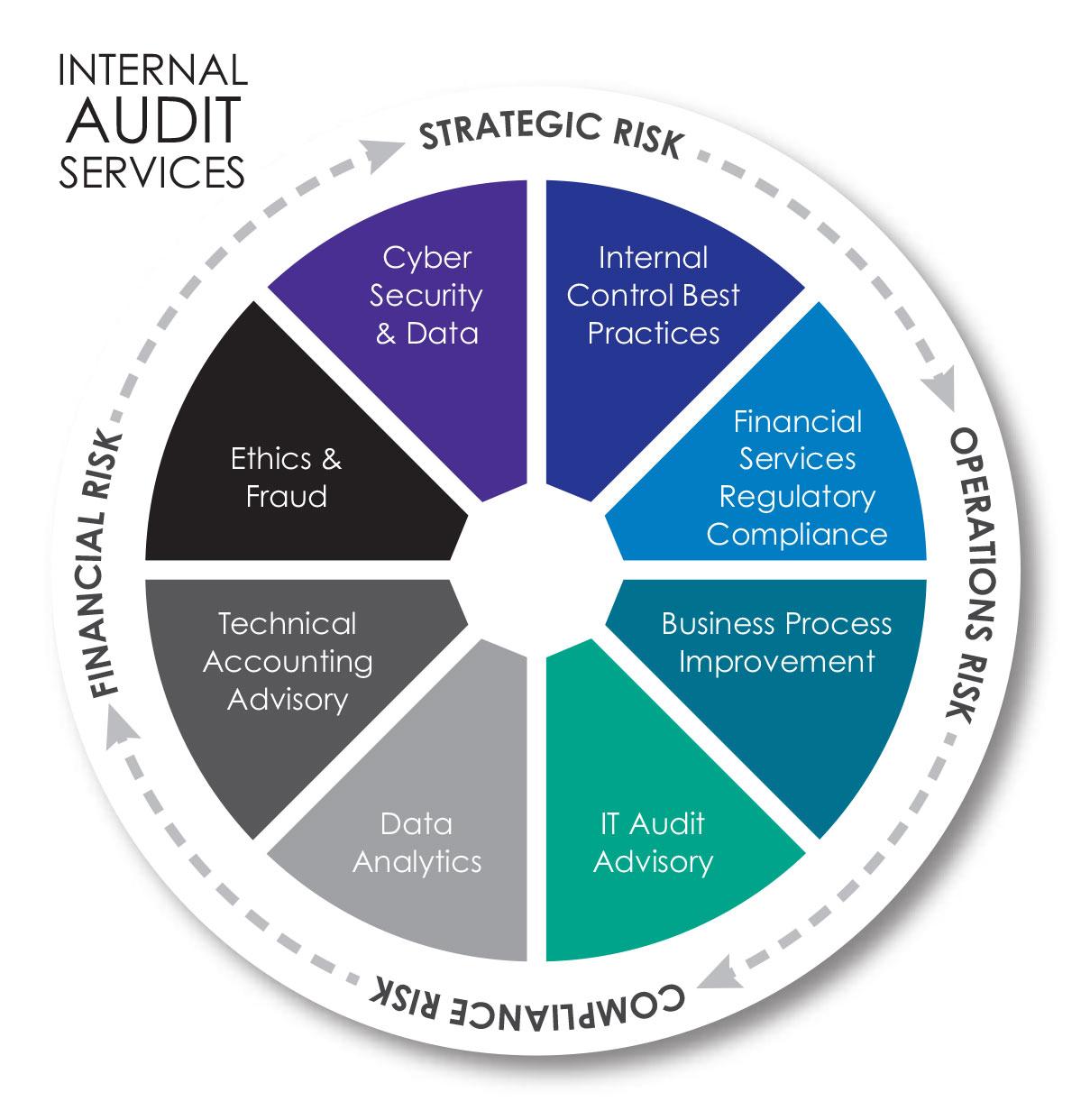
Understanding the Regulatory Landscape for Financial Audits
To effectively navigate the intricate web of financial audit regulations, it is crucial to first grasp the various layers of oversight that govern these processes. Financial audits are subject to a myriad of regulations, which can vary significantly depending on the jurisdiction and the nature of the business. Key regulatory bodies such as the Securities and Exchange Commission (SEC), the Public Company Accounting Oversight Board (PCAOB), and the Financial Industry Regulatory Authority (FINRA) play pivotal roles in setting the standards and guidelines that auditors must adhere to. Understanding the specific requirements and expectations of these entities can help organizations better prepare for an audit and ensure compliance.
In addition to federal and state regulations, companies must also consider industry-specific guidelines that may impact their audit processes. For instance, financial institutions are often subject to more stringent scrutiny under regulations like the Sarbanes-Oxley Act and the Dodd-Frank Act. To stay ahead, businesses should focus on:
- Regularly updating their compliance programs to reflect the latest regulatory changes.
- Engaging with professional advisors who specialize in financial regulations.
- Implementing robust internal controls to identify and mitigate potential compliance risks.
By fostering a deep understanding of the regulatory landscape, companies can not only avoid costly penalties but also build a foundation of trust and transparency with stakeholders.
Crafting a Comprehensive Audit Preparation Strategy
Embarking on the journey of audit readiness requires a meticulous approach to ensure compliance and transparency. Begin by establishing a dedicated audit team that includes key personnel from finance, compliance, and operations. This team will spearhead the preparation process, ensuring that every aspect of the organization is aligned with regulatory requirements. It’s crucial to conduct a preliminary self-assessment to identify potential gaps and areas for improvement, setting the stage for a seamless audit experience.
To bolster your strategy, develop a comprehensive checklist that encompasses all regulatory standards pertinent to your industry. This should include:
- Reviewing and updating financial records
- Ensuring the accuracy of internal controls
- Documenting compliance policies and procedures
- Organizing relevant documentation for easy access
By taking these proactive steps, you not only enhance your organization’s audit preparedness but also fortify its reputation for integrity and accountability in the financial landscape.
Leveraging Technology to Streamline Audit Processes
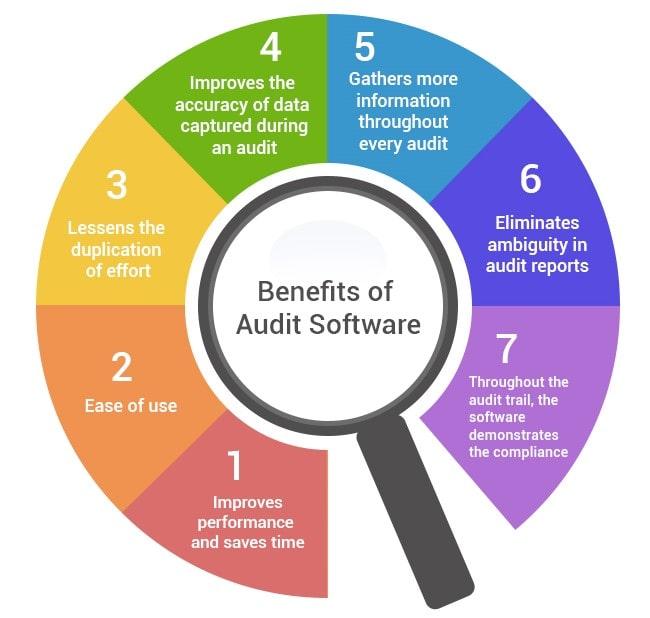
In today’s fast-paced financial landscape, harnessing the power of technology is no longer optional—it’s essential. By integrating advanced software solutions, organizations can significantly enhance the efficiency and accuracy of their audit processes. Automated data analytics tools allow auditors to sift through vast amounts of financial data swiftly, identifying anomalies and patterns that would be nearly impossible to detect manually. These tools not only save time but also increase the reliability of audit findings.
Consider implementing the following technological advancements to streamline your audit processes:
- Cloud-based Platforms: Facilitate real-time data access and collaboration among audit teams, ensuring seamless communication and data sharing.
- Artificial Intelligence: Utilize AI to predict potential compliance issues and automate routine audit tasks, freeing up resources for more strategic activities.
- Blockchain Technology: Leverage blockchain for transparent and immutable transaction records, enhancing the trustworthiness of financial data.
By embracing these technological innovations, companies can not only prepare more effectively for financial regulatory audits but also transform their audit functions into strategic assets.

Ensuring Continuous Compliance and Readiness
In the ever-evolving landscape of financial regulations, maintaining a state of continuous compliance is not just a best practice—it’s a necessity. To ensure your organization is always audit-ready, implement a robust compliance framework that integrates seamlessly with your day-to-day operations. This involves establishing clear compliance protocols and ensuring that all team members are well-versed in these guidelines. Regular training sessions and updates can help in keeping everyone informed about the latest regulatory changes.
Consider leveraging technology to streamline compliance processes. Automated compliance tools can help in monitoring transactions, generating reports, and flagging potential issues before they escalate. Additionally, maintaining a culture of transparency and open communication within your organization fosters an environment where compliance is a shared responsibility. By embedding these practices into your organizational ethos, you ensure that compliance becomes a natural extension of your operations, rather than a disruptive obligation.
- Regular Training: Keep your team updated on regulatory changes.
- Automated Tools: Use technology to streamline compliance tasks.
- Transparent Culture: Encourage open communication and shared responsibility.