

In the labyrinthine world of international finance, where the only constant is change, staying compliant with evolving financial laws is akin to navigating a ship through turbulent seas. The stakes are high, with regulatory landscapes shifting like sand dunes under a relentless wind. For businesses operating on a global scale, the challenge is not just to keep pace but to anticipate and adapt to the myriad of legal requirements that govern financial transactions across borders. This article serves as your compass, guiding you through the complexities of international financial compliance with an authoritative voice. We will explore the dynamic nature of these regulations, unveil strategies to maintain compliance, and arm you with the knowledge to not only survive but thrive in this ever-changing environment. Welcome aboard as we embark on a journey to demystify the intricate web of international financial laws.
Navigating the Complex Web of Global Financial Regulations
In today’s fast-paced financial landscape, staying compliant with international financial laws requires a strategic approach and a keen understanding of the intricate regulatory environment. Financial institutions and businesses must be proactive in their compliance efforts, as regulations are not only diverse but also subject to frequent changes. To effectively navigate this complex web, consider implementing a robust compliance framework that encompasses the following key elements:
- Continuous Monitoring: Regularly update your compliance strategies to align with the latest regulatory changes. Utilize advanced technology and data analytics to monitor transactions and detect potential compliance breaches in real-time.
- Comprehensive Training: Equip your team with the necessary knowledge and skills through ongoing training programs. Ensure that all employees are aware of their roles in maintaining compliance and are familiar with both local and international regulations.
- Risk Assessment: Conduct thorough risk assessments to identify potential areas of vulnerability. Develop tailored risk management strategies that address specific regulatory requirements and mitigate the impact of any non-compliance issues.
- Engage with Regulators: Maintain open lines of communication with regulatory bodies. By fostering a transparent relationship, you can gain insights into upcoming regulatory changes and receive guidance on compliance best practices.
By adopting these strategies, businesses can not only ensure compliance but also build a reputation for reliability and integrity in the global financial market. Remember, the key to success lies in being agile and responsive to the ever-evolving regulatory landscape.

Strategic Approaches to Monitor Legislative Changes
In the dynamic world of international finance, staying abreast of legislative changes is crucial for maintaining compliance. To effectively monitor these changes, businesses should implement a multi-faceted strategy. Subscribing to legal and financial news outlets is a fundamental step, as these platforms provide timely updates on new regulations and amendments. Additionally, leveraging technology such as compliance management software can automate the tracking of legislative developments, ensuring that no critical updates are missed.
Furthermore, cultivating relationships with legal experts and industry associations can provide invaluable insights and interpretations of complex legislative changes. These connections often offer early warnings and detailed analyses that can be pivotal for strategic planning. It’s also beneficial to establish an internal compliance team dedicated to regularly reviewing and updating company policies in line with new laws. By adopting these strategic approaches, organizations can navigate the complexities of international financial legislation with confidence and precision.
Leveraging Technology for Compliance and Risk Management
In today’s rapidly evolving financial landscape, businesses must harness the power of technology to navigate the complex web of international financial regulations. Advanced analytics and machine learning are pivotal in identifying potential compliance risks before they become costly issues. By integrating these technologies into their compliance strategies, organizations can automate the monitoring of transactions, ensuring that any anomalies are flagged in real-time. This proactive approach not only reduces the risk of non-compliance but also enhances the efficiency of compliance teams, allowing them to focus on more strategic tasks.
Moreover, blockchain technology is revolutionizing how companies manage risk and compliance. Its inherent transparency and immutability make it an ideal tool for maintaining accurate records and ensuring that all transactions are traceable and verifiable. Businesses can leverage blockchain to create a tamper-proof audit trail, which simplifies the process of demonstrating compliance to regulators. To effectively implement these technologies, companies should consider:
- Investing in training programs to upskill staff on new compliance technologies.
- Partnering with tech providers specializing in compliance solutions.
- Regularly updating their compliance frameworks to incorporate technological advancements.
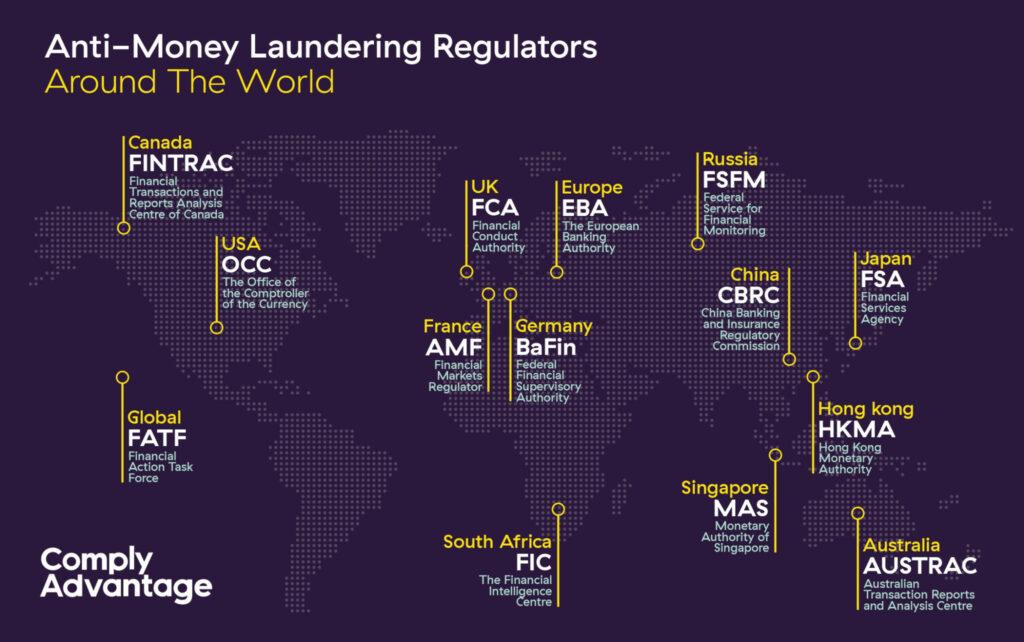
Building a Robust Compliance Culture Across Borders
Establishing a strong compliance culture across multiple jurisdictions requires a nuanced understanding of both local and international regulations. Organizations must cultivate a proactive approach to compliance, ensuring that their teams are not only aware of the laws but also understand the underlying principles that drive these regulations. This involves regular training sessions, where employees are updated on the latest changes in financial laws, and the implementation of a robust internal audit system to monitor compliance continuously.
To foster a truly global compliance culture, consider the following strategies:
- Localized Expertise: Employ or consult with local legal experts who are well-versed in the financial laws of each region.
- Unified Policies: Develop a set of core compliance policies that apply universally, while allowing for regional adaptations to address specific legal requirements.
- Technology Integration: Leverage compliance management software that can track regulatory changes and ensure all branches are aligned with the latest standards.
By integrating these strategies, companies can navigate the complexities of international financial laws with confidence and agility.