

In the rapidly evolving landscape of digital banking, where transactions occur at the speed of thought and financial borders blur into obsolescence, the twin sentinels of Anti-Money Laundering (AML) and Know Your Customer (KYC) regulations stand as formidable guardians. These regulatory frameworks, often perceived as the stern gatekeepers of the financial world, are pivotal in shaping the security and integrity of digital banking. As we delve into the intricate dance between innovation and regulation, this article unravels the profound impact of AML and KYC measures on the digital banking sector. With an authoritative lens, we explore how these regulations not only fortify the trust and safety of financial ecosystems but also challenge banks to innovate and adapt in an era defined by digital transformation. Join us as we navigate the complex interplay of compliance and technology, uncovering the essential role these regulations play in safeguarding the future of digital finance.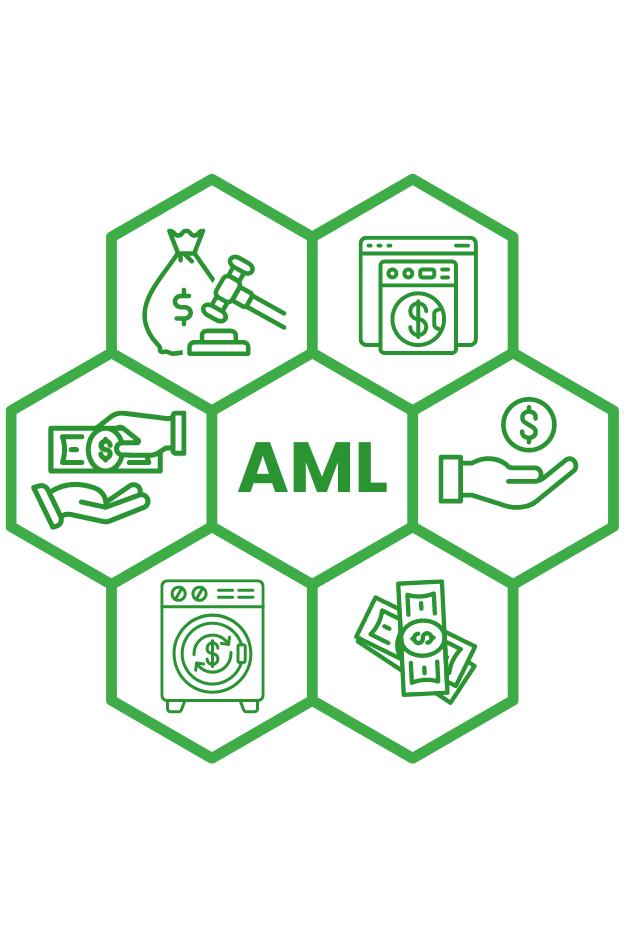
Navigating Compliance: How AML and KYC Shape the Future of Digital Banking
In the ever-evolving landscape of digital banking, Anti-Money Laundering (AML) and Know Your Customer (KYC) regulations stand as pivotal pillars ensuring the integrity and security of financial transactions. These regulations not only safeguard financial institutions against fraudulent activities but also bolster customer trust. With the rise of fintech innovations, the seamless integration of AML and KYC protocols is more crucial than ever. Financial institutions are now leveraging advanced technologies such as AI and machine learning to enhance compliance measures, ensuring real-time monitoring and rapid response to suspicious activities.
- Enhanced Security: By implementing stringent AML and KYC checks, digital banks can effectively prevent illicit activities and protect customer data.
- Improved Customer Trust: Customers are more likely to engage with institutions that prioritize their safety and privacy.
- Regulatory Adherence: Staying compliant with global standards helps avoid hefty fines and legal repercussions.
- Operational Efficiency: Automation of compliance processes reduces manual workload and streamlines operations.

Unveiling Challenges: The Intricacies of Implementing AML and KYC in a Digital World
In the fast-evolving landscape of digital banking, implementing Anti-Money Laundering (AML) and Know Your Customer (KYC) protocols presents a labyrinth of challenges. These regulations, while essential for safeguarding financial systems, often collide with the digital world’s demand for speed and convenience. Financial institutions are tasked with the delicate balance of ensuring compliance without compromising user experience. This balance is made even more complex by the sheer volume of transactions and the global nature of digital banking.
Key challenges include:
- Data Privacy: Navigating the tightrope between regulatory compliance and customer data protection.
- Technological Integration: Seamlessly incorporating AML and KYC systems into existing digital infrastructures.
- Fraud Detection: Developing sophisticated algorithms to detect and prevent fraudulent activities in real-time.
- Global Compliance: Adapting to diverse regulatory requirements across different jurisdictions.
Despite these challenges, the integration of advanced technologies such as AI and machine learning offers promising solutions, enabling more efficient and effective compliance processes.

Strategic Insights: Enhancing Customer Experience While Ensuring Compliance
In the rapidly evolving landscape of digital banking, the integration of AML (Anti-Money Laundering) and KYC (Know Your Customer) regulations plays a pivotal role in shaping customer experience. These regulations, while crucial for maintaining the integrity of financial systems, often pose challenges to the seamlessness that customers expect. To navigate this, banks must adopt innovative strategies that not only comply with these stringent regulations but also enhance the user experience. Here are some key insights:
- Streamlined Onboarding Processes: Leveraging AI and machine learning can help automate identity verification, reducing wait times and enhancing user satisfaction.
- Personalized Customer Interactions: By using data analytics, banks can offer tailored services that align with compliance requirements, ensuring customers feel valued and understood.
- Transparent Communication: Clear and concise communication about compliance procedures can build trust and alleviate customer concerns, fostering a more positive banking relationship.
By prioritizing these strategies, digital banks can effectively balance the demands of regulatory compliance with the expectations of their tech-savvy clientele, creating a secure yet user-friendly banking environment.

Proactive Measures: Recommendations for Robust AML and KYC Frameworks in Digital Banking
To fortify the digital banking ecosystem against financial crimes, institutions must adopt a proactive stance. Implementing a comprehensive AML and KYC framework is not just a regulatory obligation but a strategic imperative. Financial institutions should consider the following recommendations to enhance their frameworks:
- Advanced Data Analytics: Leverage AI and machine learning to analyze transaction patterns and identify suspicious activities in real-time.
- Customer Risk Profiling: Develop dynamic risk profiles for customers, allowing for more tailored monitoring and intervention strategies.
- Regular Training and Awareness: Ensure that all staff members are well-versed in the latest AML and KYC procedures and the importance of compliance.
- Enhanced Verification Processes: Utilize biometric verification and other cutting-edge technologies to ensure the authenticity of customer identities.
- Collaboration with Regulatory Bodies: Maintain open lines of communication with regulators to stay ahead of emerging threats and compliance requirements.
By embedding these measures into their operational fabric, digital banks can not only comply with regulatory standards but also build a resilient defense against financial crimes, ensuring trust and security for their customers.