
In the intricate tapestry of modern finance, where the threads of innovation and regulation are perpetually interwoven, the strength of a financial compliance program stands as both a shield and a compass. It is the unsung hero of the corporate world, ensuring that organizations not only navigate the complex labyrinth of legal requirements but also uphold the integrity and trust that form the bedrock of their operations. In this authoritative exploration, we delve into the key components that constitute a robust financial compliance program. From the meticulous architecture of internal controls to the vigilant oversight of regulatory landscapes, we unravel the essential elements that empower organizations to thrive amidst the relentless tides of change. Join us as we uncover the pillars of compliance that safeguard financial entities, fostering resilience and fortitude in an ever-evolving global marketplace.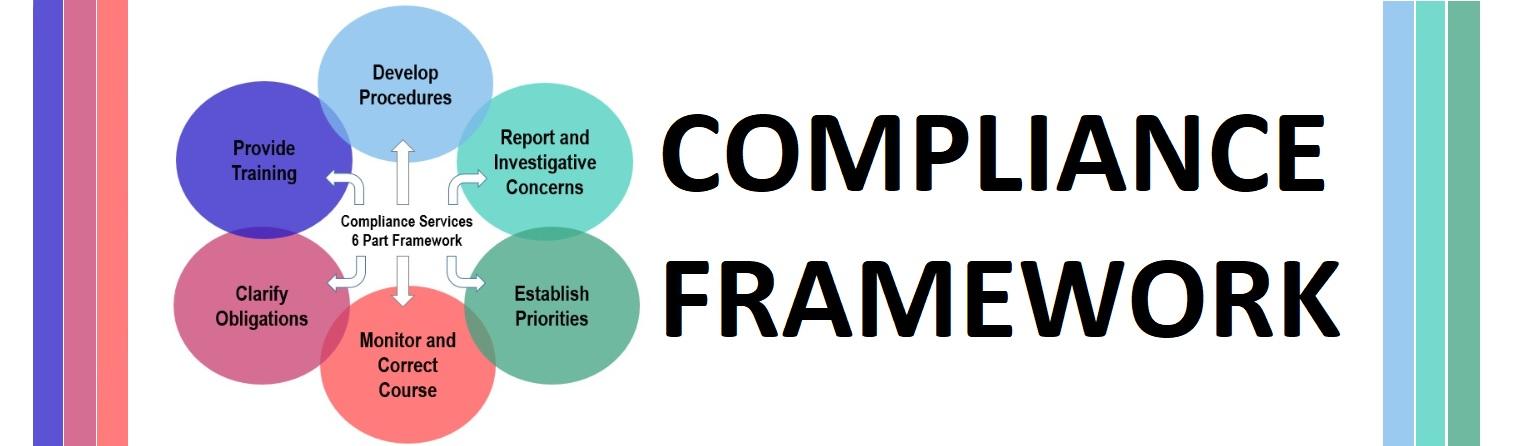
Establishing a Robust Compliance Framework for Financial Integrity
In the intricate world of finance, establishing a compliance framework that ensures financial integrity is paramount. A strong program hinges on several key components that not only safeguard against malfeasance but also promote a culture of ethical responsibility. Risk Assessment forms the cornerstone, enabling organizations to identify and evaluate potential vulnerabilities. This proactive approach allows for the development of tailored strategies that mitigate risks before they manifest.
Equally critical is the implementation of robust internal controls. These controls act as the organization’s immune system, preventing unauthorized transactions and ensuring accuracy in financial reporting. Furthermore, a comprehensive compliance program must include continuous training and education initiatives. By fostering an environment of awareness and understanding, employees are better equipped to recognize and respond to compliance challenges. Lastly, the integration of advanced technology solutions enhances the efficiency and effectiveness of compliance processes, offering real-time monitoring and analytics capabilities.
- Risk Assessment: Identifying and evaluating potential vulnerabilities.
- Internal Controls: Safeguarding against unauthorized transactions.
- Training and Education: Fostering awareness and understanding.
- Technology Solutions: Enhancing monitoring and analytics capabilities.
Navigating Regulatory Landscapes with Precision and Expertise
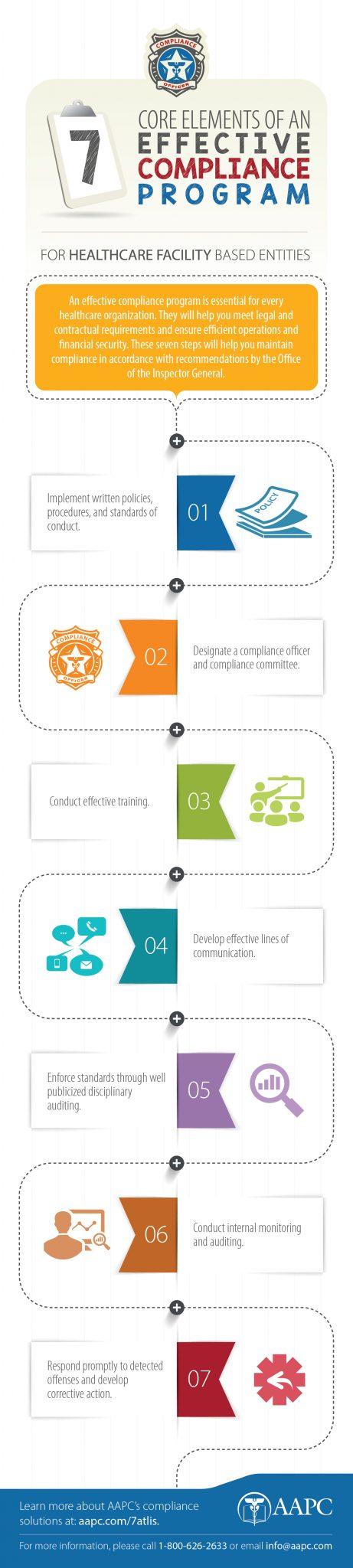
In the ever-evolving world of finance, a robust compliance program is paramount to safeguarding an organization’s integrity and reputation. At its core, a strong financial compliance program is built on several key components that work in harmony to ensure adherence to regulations and mitigate risks. Risk Assessment forms the foundation, enabling organizations to identify and evaluate potential compliance risks. This is followed by the development of comprehensive policies and procedures that are tailored to the specific needs of the organization and the regulatory environment it operates within.
Equally important is the training and education of employees, ensuring that they are well-versed in compliance requirements and can recognize potential red flags. Continuous monitoring and auditing play a crucial role in maintaining the effectiveness of the compliance program, allowing for timely identification of issues and implementation of corrective actions. Lastly, a robust reporting and communication system ensures transparency and fosters a culture of compliance throughout the organization. By integrating these components, organizations can navigate the regulatory landscapes with precision and expertise, securing their position in the financial sector.

Harnessing Technology to Enhance Compliance Monitoring and Reporting
In today’s fast-paced financial landscape, leveraging technology is no longer optional but a necessity for robust compliance monitoring and reporting. Advanced analytics tools and artificial intelligence are revolutionizing how financial institutions identify and mitigate risks. By automating routine compliance tasks, these technologies allow compliance teams to focus on more strategic initiatives. The use of real-time data analytics ensures that anomalies are detected swiftly, reducing the potential for financial misconduct.
- Automated Reporting Systems: These systems streamline the generation of compliance reports, ensuring accuracy and timeliness.
- Machine Learning Algorithms: By analyzing historical data, these algorithms can predict potential compliance breaches before they occur.
- Blockchain Technology: Provides a secure and transparent way to record transactions, making audits more efficient and reliable.
Incorporating these technological advancements not only enhances the efficiency of compliance programs but also strengthens the overall integrity of financial operations. Embracing these tools is essential for any organization aiming to stay ahead in the ever-evolving regulatory environment.

Cultivating a Culture of Accountability and Continuous Improvement
To ensure a robust financial compliance program, organizations must foster an environment where accountability and continuous improvement are deeply ingrained in their corporate culture. This begins with clear communication of expectations and responsibilities, ensuring every team member understands their role in maintaining compliance. Encouraging transparency and open dialogue can help identify potential risks early and promote proactive problem-solving. Moreover, integrating regular training sessions and workshops can keep the team updated on evolving regulations and best practices, thus enhancing their capability to adapt and respond effectively.
Another essential aspect is the establishment of a feedback loop that encourages constructive criticism and innovation. By valuing employee input and rewarding initiative, companies can drive continuous improvement. Key strategies include:
- Implementing regular audits to assess compliance and identify areas for enhancement.
- Utilizing technology to streamline processes and improve accuracy in reporting.
- Encouraging cross-departmental collaboration to foster a unified approach to compliance.
Through these strategies, organizations can build a resilient financial compliance framework that not only meets regulatory demands but also positions them for long-term success.