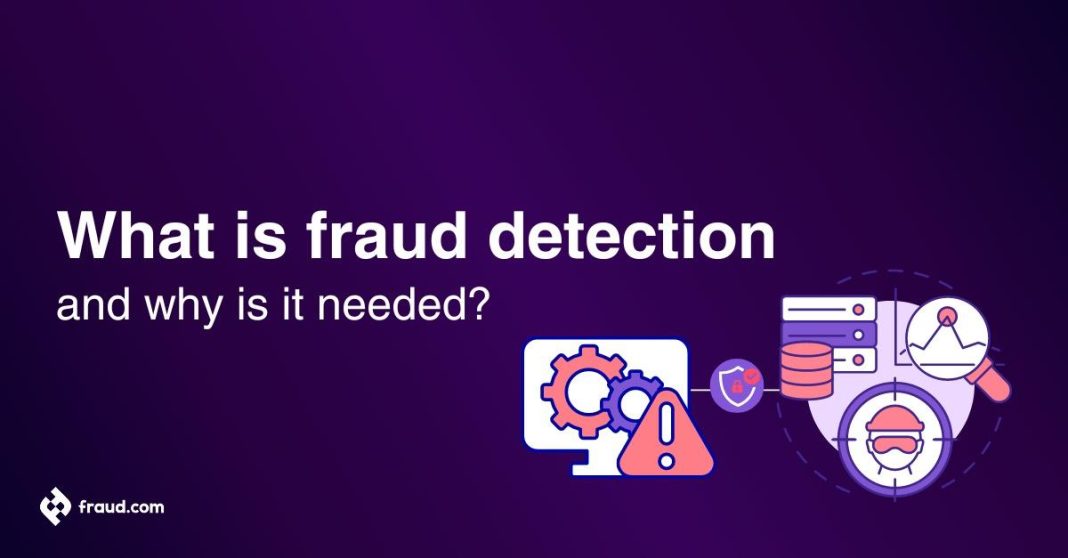

In the ever-evolving landscape of modern commerce, where digital transactions have become the lifeblood of business, the specter of fraud looms larger than ever. As companies strive to harness the power of technology to drive growth and innovation, they must also confront the insidious threats that can undermine their success. Welcome to the ultimate guide on building a fraud-proof system for your business—a strategic blueprint designed to fortify your operations against the cunning tactics of fraudsters. In this authoritative exploration, we will unravel the complexities of fraud prevention, equipping you with the knowledge and tools necessary to safeguard your enterprise. From understanding the latest in cybersecurity measures to implementing robust internal controls, we will navigate the intricate pathways of fraud defense, ensuring your business not only survives but thrives in a world where vigilance is the key to victory.
Fortifying Your Business: Essential Strategies for Fraud Prevention
In the digital age, safeguarding your business against fraudulent activities is paramount. Implementing robust security measures is not just a necessity but a strategic advantage. Start by adopting a multi-layered security approach that includes both technological and human elements. Utilize advanced software solutions like AI-driven analytics to detect anomalies in real-time. Simultaneously, cultivate a culture of vigilance among your employees through regular training sessions on identifying and reporting suspicious activities.
- Regular Audits: Conduct frequent audits to ensure all processes are compliant with industry standards.
- Access Controls: Implement strict access controls to sensitive data, ensuring only authorized personnel have access.
- Data Encryption: Use end-to-end encryption to protect data both in transit and at rest.
- Vendor Management: Evaluate and monitor third-party vendors to mitigate risks from external sources.
Proactive monitoring is essential; consider deploying a dedicated team to oversee security protocols and respond swiftly to any breaches. By integrating these strategies, businesses can not only protect themselves from fraud but also enhance their reputation as a trustworthy entity in the marketplace.
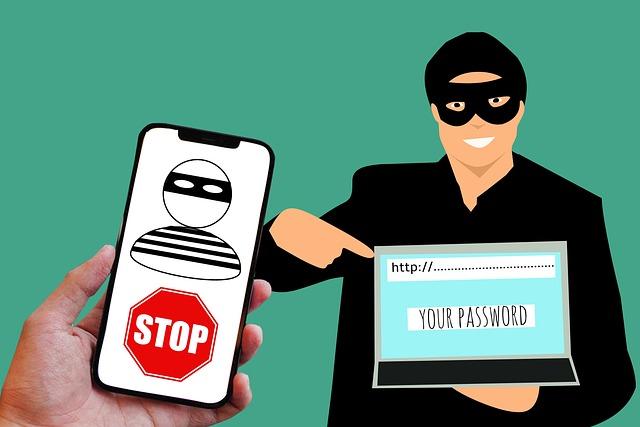
Harnessing Technology: Innovative Tools to Combat Fraud
In today’s digital landscape, businesses must stay ahead of fraudsters by leveraging cutting-edge technology. By integrating innovative tools, companies can effectively safeguard their assets and maintain trust with their customers. A multi-layered approach is crucial, combining advanced analytics, machine learning, and real-time monitoring to detect and prevent fraudulent activities.
Consider implementing the following strategies to bolster your defenses:
- Behavioral Analytics: Utilize software that analyzes user behavior to identify anomalies and potential threats.
- Machine Learning Algorithms: Deploy AI-driven solutions that continuously learn and adapt to new fraud patterns.
- Biometric Authentication: Enhance security with fingerprint, facial recognition, or voice verification technologies.
- Blockchain Technology: Leverage the transparency and immutability of blockchain to ensure secure transactions.
By embracing these technologies, businesses can create a robust, fraud-resistant system that not only protects their interests but also fosters a secure environment for their clientele.
Cultivating a Vigilant Workforce: Training and Awareness Programs
In the battle against fraud, the human element can often be the weakest link or the strongest defense. Training and awareness programs are essential in transforming employees from potential vulnerabilities into vigilant guardians of your business. To achieve this, consider implementing a comprehensive training strategy that includes:
- Regular Workshops: Conduct interactive sessions that engage employees in real-world scenarios, enabling them to recognize and respond to fraudulent activities effectively.
- Customized E-Learning Modules: Develop online courses tailored to the specific risks and challenges your industry faces, ensuring that all staff members are equipped with the necessary knowledge.
- Gamified Learning: Utilize gamification techniques to make learning about fraud prevention engaging and memorable, encouraging employees to stay informed and alert.
- Role-Based Training: Offer specialized training for different roles within the organization, focusing on the unique risks and responsibilities associated with each position.
By fostering a culture of vigilance and responsibility, businesses can significantly reduce the risk of fraud. Empower your workforce with the tools and knowledge they need to act as the first line of defense, and your business will be well on its way to building a fraud-proof system.
Establishing Robust Policies: Crafting a Comprehensive Anti-Fraud Framework
In the intricate dance of business operations, crafting a comprehensive anti-fraud framework is akin to choreographing a symphony of vigilance and resilience. A robust policy serves as the backbone of your defense, articulating clear guidelines and procedures that safeguard your enterprise against fraudulent activities. Begin by identifying potential vulnerabilities within your operations. This involves a thorough analysis of processes, from procurement to customer transactions, ensuring that every potential loophole is addressed.
- Risk Assessment: Conduct regular risk assessments to identify and prioritize areas most susceptible to fraud.
- Employee Training: Implement ongoing training programs to educate employees about fraud detection and prevention techniques.
- Internal Controls: Establish stringent internal controls that monitor transactions and flag anomalies for further investigation.
- Reporting Mechanisms: Create a transparent reporting system that encourages employees to report suspicious activities without fear of retaliation.
By embedding these elements into your policy, you not only fortify your defenses but also cultivate a culture of integrity and accountability. This strategic approach not only deters potential fraudsters but also reassures stakeholders of your commitment to ethical business practices.