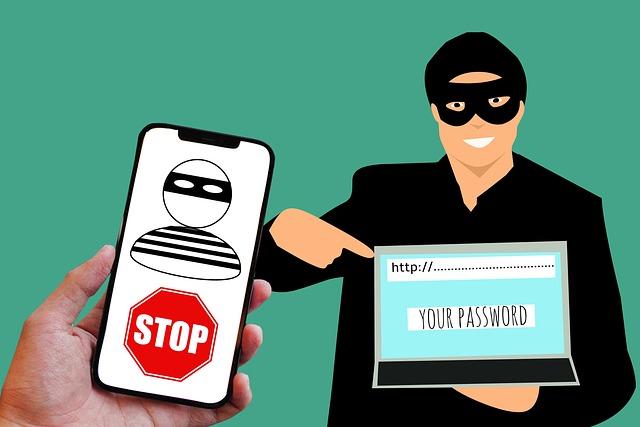


In the ever-evolving landscape of digital commerce, where opportunities for growth are as abundant as the risks that accompany them, businesses face a formidable adversary: account takeover fraud. This insidious threat lurks in the shadows of cyberspace, poised to strike at the heart of your enterprise by exploiting vulnerabilities in your security framework. As guardians of your business’s integrity and customer trust, it is imperative to arm yourself with the knowledge and strategies needed to thwart these cyber invaders. In this article, we delve into the intricate world of account takeover fraud, unraveling its complexities and equipping you with a robust arsenal of defenses. Prepare to fortify your business against this digital menace, ensuring that your operations remain secure and your reputation untarnished in the face of an ever-looming threat.
Guarding the Gates Understanding the Threat Landscape
In the ever-evolving digital world, businesses must remain vigilant against the myriad of threats that lurk in the shadows. Account takeover fraud is a particularly insidious threat, where cybercriminals gain unauthorized access to a user’s account, often leading to significant financial and reputational damage. To effectively guard against this menace, businesses need to understand the threat landscape and implement robust security measures.
- Implement Multi-Factor Authentication (MFA): By requiring multiple forms of verification, businesses can significantly reduce the risk of unauthorized access.
- Monitor Account Activity: Regularly reviewing account activities can help detect unusual patterns that may indicate a breach.
- Educate Employees and Customers: Awareness is key. Providing training on recognizing phishing attempts and other social engineering tactics can empower individuals to protect their accounts.
- Use Advanced Threat Detection Tools: Leveraging AI and machine learning technologies can help identify and mitigate threats in real-time.
By understanding the intricacies of the threat landscape, businesses can not only protect themselves from account takeover fraud but also build a more secure digital environment for their stakeholders.

Fortifying Digital Fortresses Implementing Robust Security Measures
In today’s digital age, safeguarding your business against account takeover fraud is paramount. Implementing multi-factor authentication (MFA) is a cornerstone of robust security. By requiring multiple forms of verification, MFA adds an extra layer of protection that makes unauthorized access significantly more difficult. Additionally, it’s crucial to regularly update and patch all systems and software to close any vulnerabilities that hackers might exploit.
Furthermore, educating your team is essential. Consider implementing a comprehensive security awareness program that includes training on recognizing phishing attempts and understanding the importance of strong, unique passwords. Here are some key strategies to enhance your security posture:
- Regularly monitor account activity to detect unusual behavior early.
- Utilize advanced threat detection tools to identify and mitigate potential breaches.
- Implement role-based access controls to ensure employees only have access to the information necessary for their roles.
- Conduct periodic security audits to assess and improve your current defenses.
By fortifying your digital fortresses with these robust measures, you can significantly reduce the risk of account takeover fraud and protect your business’s integrity and reputation.
The Human Element Training Employees to Recognize and Prevent Fraud
Account takeover fraud is a growing threat, and the key to mitigating this risk lies in empowering your employees with the knowledge and skills to detect and thwart fraudulent activities. Training your team to recognize the subtle signs of potential fraud can be your first line of defense. Implement comprehensive training programs that focus on real-world scenarios and emphasize the importance of vigilance. Encourage employees to look out for unusual account activities, such as unexpected password changes or unrecognized devices attempting to access accounts.
Cultivate a culture of awareness by regularly updating your team on the latest fraud tactics and trends. Consider incorporating interactive workshops and simulations that challenge employees to think critically and respond effectively to potential threats. Reinforce the importance of reporting suspicious activities promptly and provide clear channels for doing so. By fostering an environment where security is everyone’s responsibility, you not only protect your business but also empower your workforce to be proactive guardians of your company’s integrity.
Harnessing Technology Leveraging Advanced Tools for Enhanced Protection
In today’s digital landscape, businesses must stay one step ahead of cybercriminals by employing cutting-edge technologies to thwart account takeover fraud. By leveraging advanced tools, companies can create a robust security framework that not only detects suspicious activities but also proactively mitigates potential threats. Machine learning algorithms can analyze vast amounts of data in real-time, identifying anomalies and flagging them for further investigation. This enables businesses to respond swiftly to potential breaches, minimizing damage and safeguarding sensitive information.
Additionally, implementing multi-factor authentication (MFA) provides an extra layer of security, making it significantly harder for unauthorized users to gain access. Behavioral biometrics can further enhance protection by continuously monitoring user interactions and identifying deviations from typical behavior patterns. To bolster your defenses, consider integrating the following tools into your security strategy:
- AI-driven threat intelligence platforms: These platforms provide real-time insights into emerging threats, enabling proactive defense measures.
- Encryption technologies: Protect sensitive data by ensuring it remains secure both in transit and at rest.
- Advanced firewalls and intrusion detection systems: These tools help prevent unauthorized access and detect potential intrusions before they cause harm.