
In the ever-evolving landscape of financial security, where innovation dances hand in hand with deception, staying ahead of emerging fraud schemes has become an essential skill akin to mastering a complex art form. As digital frontiers expand and technology races forward, so too do the cunning tactics of those who seek to exploit vulnerabilities for illicit gain. This article serves as your compass in navigating the intricate maze of modern fraud, offering authoritative insights and strategic guidance to fortify your defenses. Join us as we delve into the shadowy world of emerging fraud schemes, illuminating the path to safeguarding your assets and maintaining a vigilant stance in an era where the only constant is change.
Spotting the Shadows Understanding the Evolution of Fraud Tactics
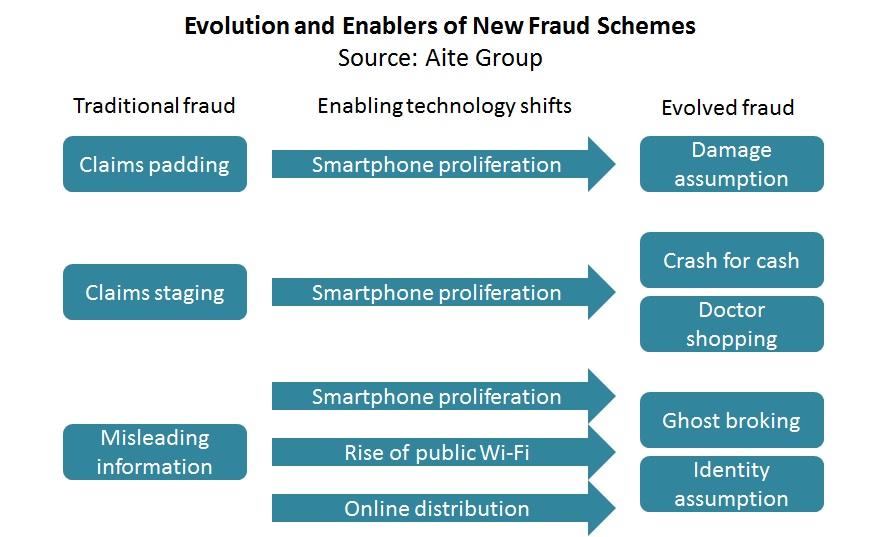
In the ever-evolving landscape of digital deception, fraudsters are constantly refining their tactics, making it imperative for individuals and businesses to stay vigilant. Understanding the evolution of fraud tactics is crucial to safeguarding assets and personal information. Modern fraudsters are no longer relying on outdated methods; instead, they are leveraging sophisticated technologies and social engineering to exploit vulnerabilities.
- Phishing Evolves: Gone are the days of poorly written emails. Today’s phishing attempts are crafted with precision, often mimicking legitimate communications from trusted entities.
- Social Engineering Sophistication: Fraudsters now use deepfake technology and AI-generated voices to manipulate victims into divulging sensitive information.
- Ransomware Reinvented: Cybercriminals are shifting from broad attacks to targeted ones, focusing on high-value targets with tailored ransom demands.
- Cryptocurrency Cons: With the rise of digital currencies, scammers are creating fake exchanges and ICOs to lure unsuspecting investors.
To combat these evolving threats, it’s essential to stay informed and adopt proactive measures. Regularly updating security protocols, educating employees and customers, and employing advanced threat detection systems can significantly reduce the risk of falling victim to these sophisticated schemes.

Building a Digital Fortress Leveraging Technology for Fraud Prevention
In today’s digital landscape, where cyber threats are constantly evolving, businesses must arm themselves with the latest technological tools to thwart fraudulent activities. Leveraging advanced technologies such as artificial intelligence and machine learning can provide real-time insights and predictive analytics, enabling organizations to identify and neutralize threats before they escalate. AI-driven algorithms can analyze vast amounts of data to detect anomalies and patterns that may indicate fraudulent behavior, offering a proactive approach to fraud prevention.
- Real-time Monitoring: Implement systems that provide continuous surveillance of transactions and user activities.
- Biometric Authentication: Utilize fingerprint, facial recognition, or voice verification to enhance security layers.
- Blockchain Technology: Employ blockchain for secure and transparent transaction records that are immutable and tamper-proof.
- Multi-factor Authentication (MFA): Enforce MFA to add an extra layer of security, making unauthorized access significantly more challenging.
By integrating these technologies, businesses can construct a robust digital fortress, safeguarding their assets and maintaining trust with their customers. It’s imperative to stay one step ahead of fraudsters by continuously updating and adapting these technological defenses.

Cultivating a Culture of Vigilance Empowering Teams to Detect and Respond
In today’s rapidly evolving landscape of fraud, fostering a proactive mindset within your team is crucial. Empower your employees by equipping them with the tools and knowledge necessary to identify potential threats before they materialize. Regular training sessions that focus on the latest fraud tactics can transform your workforce into a formidable line of defense. Encourage a culture where vigilance is celebrated and rewarded, ensuring that every team member feels both responsible and capable of contributing to the organization’s security.
Strategies to cultivate this culture include:
- Implementing cross-departmental workshops to share insights and strategies on fraud detection.
- Creating an open communication channel where employees can report suspicious activities without fear of reprisal.
- Utilizing real-world case studies to illustrate the impact of fraud and the importance of early detection.
- Encouraging continuous learning by providing access to the latest resources and technologies in fraud prevention.
By embedding these practices into your organizational fabric, you not only protect your assets but also empower your team to stay one step ahead of emerging fraud schemes.
Staying One Step Ahead Proactive Strategies for Continuous Risk Assessment
In the ever-evolving landscape of fraud, staying ahead requires a proactive approach to risk assessment. By continuously evaluating and adapting your strategies, you can effectively safeguard your organization against emerging threats. Continuous risk assessment is not a one-time task but an ongoing process that involves several key strategies:
- Regularly Update Threat Intelligence: Keep abreast of the latest fraud schemes by subscribing to industry reports, participating in webinars, and engaging with cybersecurity communities. This ensures that your team is informed and ready to tackle new challenges.
- Implement Advanced Analytics: Utilize data analytics tools to monitor transactions and detect anomalies in real-time. Machine learning algorithms can help identify patterns indicative of fraudulent activities, allowing for swift intervention.
- Conduct Routine Audits: Regular audits of your systems and processes can uncover vulnerabilities before they are exploited. Ensure that these audits are comprehensive and cover all aspects of your operation.
- Foster a Culture of Awareness: Educate employees about the latest fraud tactics and encourage them to report suspicious activities. A well-informed workforce is a crucial line of defense against fraud.
By integrating these strategies into your risk management framework, you can maintain a robust defense against the ever-changing tactics of fraudsters. Staying vigilant and adaptive is key to ensuring the security and integrity of your organization.