

In the digital age, where convenience is king and speed is the currency of choice, mobile payments have emerged as the crown jewel of financial transactions. With a simple tap or a swift scan, consumers can now navigate the bustling marketplaces of the world, unburdened by cash or card. Yet, beneath this veneer of effortless ease lies a shadowy underworld teeming with potential pitfalls and perilous risks. As mobile payment platforms proliferate, so too do the cunning tactics of fraudsters eager to exploit vulnerabilities and capitalize on the unsuspecting. This article delves into the labyrinthine world of mobile payment fraud, unraveling the complex web of threats that lurk behind the screen. More importantly, it illuminates the path to safeguarding your financial kingdom, offering expert insights and strategic measures to fortify your defenses against these digital marauders. Prepare to arm yourself with knowledge and vigilance, as we explore the critical steps necessary to mitigate the risks of mobile payment fraud in an increasingly interconnected world.
Understanding the Landscape of Mobile Payment Fraud
In the ever-evolving realm of digital transactions, mobile payment systems have emerged as a convenient yet vulnerable frontier. Fraudsters exploit various techniques to infiltrate these systems, posing significant risks to both consumers and businesses. Phishing attacks, where deceptive messages trick users into divulging sensitive information, are alarmingly prevalent. SIM swapping is another sophisticated method, where criminals gain control of a victim’s phone number to intercept authentication messages. Additionally, malware and spyware can be surreptitiously installed on devices, capturing critical data without the user’s knowledge.
To combat these threats, businesses and consumers must adopt a proactive stance. Here are some effective strategies to mitigate mobile payment fraud:
- Implement multi-factor authentication (MFA): Adding an extra layer of security can thwart unauthorized access.
- Educate users: Regular awareness campaigns can empower users to recognize and avoid phishing attempts.
- Monitor transactions: Utilize advanced analytics to detect unusual patterns indicative of fraudulent activity.
- Secure mobile applications: Ensure that apps are regularly updated to patch vulnerabilities.
Key Vulnerabilities in Mobile Payment Systems
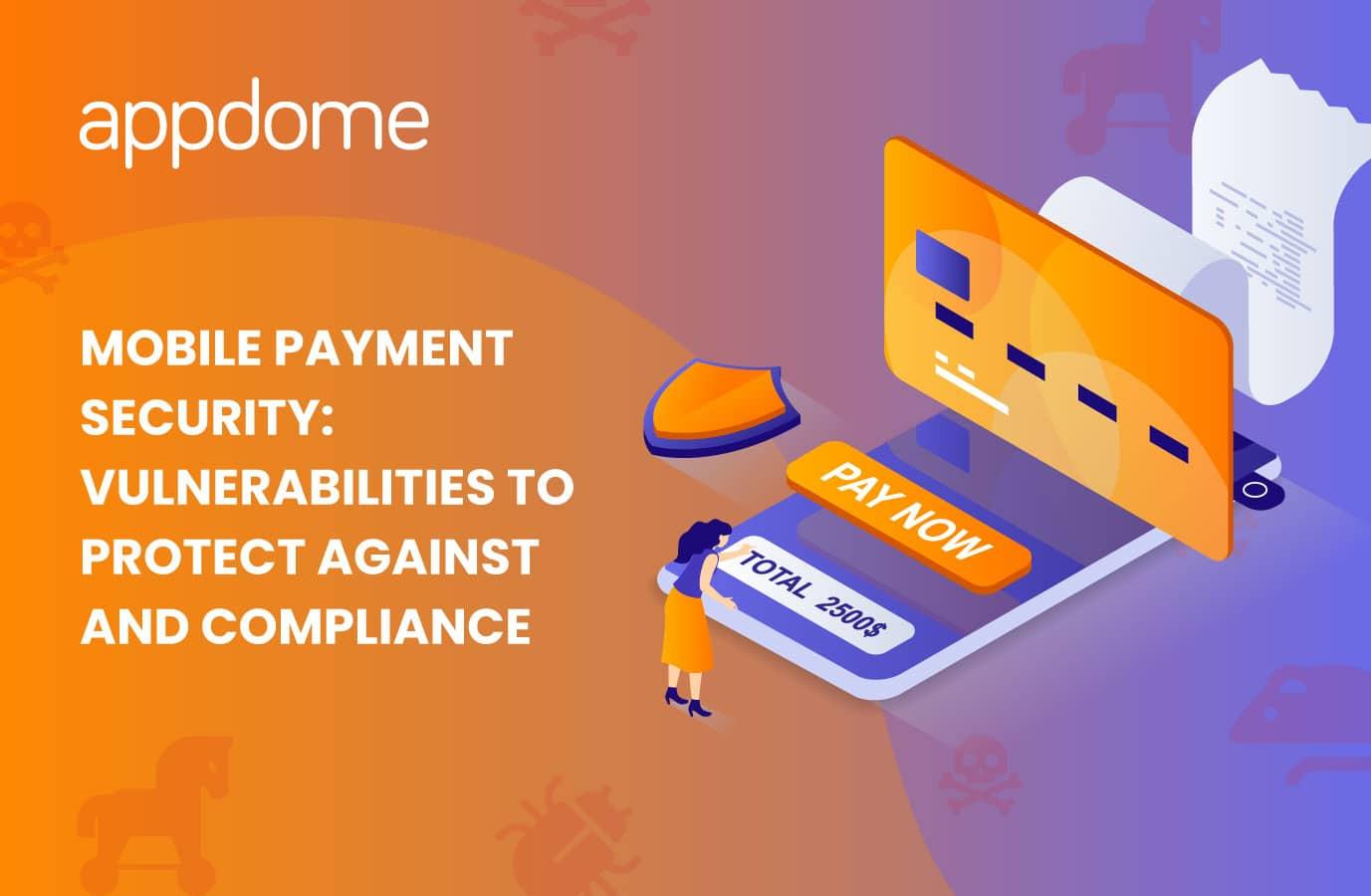
Mobile payment systems, while incredibly convenient, are fraught with several vulnerabilities that can be exploited by cybercriminals. These vulnerabilities often stem from a combination of technological weaknesses and user behavior. Key issues include:
- Insecure Network Connections: Many users access mobile payment apps over public Wi-Fi networks, which are notoriously insecure. This can lead to data interception by malicious actors.
- Weak Authentication Protocols: Some systems still rely on outdated authentication methods, making it easier for unauthorized access.
- Malware and Phishing Attacks: Mobile devices are susceptible to malware, which can be used to steal sensitive information. Phishing attacks trick users into divulging their credentials.
- Inadequate Encryption: Without robust encryption, sensitive data such as credit card numbers and personal identification information can be easily accessed during transmission.
To combat these vulnerabilities, it’s crucial for both developers and users to adopt best practices. Implementing multi-factor authentication, using VPNs for secure connections, and regularly updating software can significantly reduce the risk of fraud. Moreover, educating users about the dangers of phishing and the importance of secure passwords can empower them to protect their financial data more effectively.
Proactive Strategies for Securing Mobile Transactions
To effectively combat the ever-evolving threat of mobile payment fraud, businesses and consumers alike must adopt a set of proactive strategies. One of the most critical measures is the implementation of multi-factor authentication (MFA). By requiring multiple forms of verification, such as a password and a fingerprint or facial recognition, MFA significantly reduces the risk of unauthorized access. Additionally, end-to-end encryption should be a standard practice, ensuring that sensitive data is protected from interception during transmission.
Moreover, keeping software up-to-date is essential in mitigating vulnerabilities. Regular updates patch security flaws that fraudsters might exploit. Businesses should also educate their customers about recognizing phishing attempts and other social engineering tactics. Key proactive strategies include:
- Implementing tokenization to replace sensitive data with unique identifiers.
- Utilizing AI-driven fraud detection systems to monitor transactions in real-time.
- Encouraging the use of secure, reputable payment apps.
By embracing these strategies, stakeholders can create a robust defense against the myriad of threats posed by mobile payment fraud.
Implementing Robust Authentication and Encryption Techniques
To effectively combat the rising tide of mobile payment fraud, it is imperative to adopt robust authentication and encryption techniques. Implementing multi-factor authentication (MFA) is a critical step in securing mobile transactions. By requiring users to verify their identity through multiple methods—such as passwords, biometric scans, or one-time codes—MFA significantly reduces the risk of unauthorized access. Additionally, leveraging advanced encryption protocols ensures that sensitive data is transformed into unreadable formats during transmission, safeguarding it from potential interception.
- Multi-Factor Authentication (MFA): Combines something the user knows (password), something the user has (smartphone), and something the user is (fingerprint) to enhance security.
- End-to-End Encryption: Encrypts data from the sender to the receiver, making it unreadable to anyone except the intended recipient.
- Tokenization: Replaces sensitive data with unique identifiers, or tokens, that have no exploitable value outside of the transaction context.
By integrating these sophisticated security measures, businesses can create a formidable defense against fraudsters, ensuring that mobile payment systems remain both convenient and secure for users.