
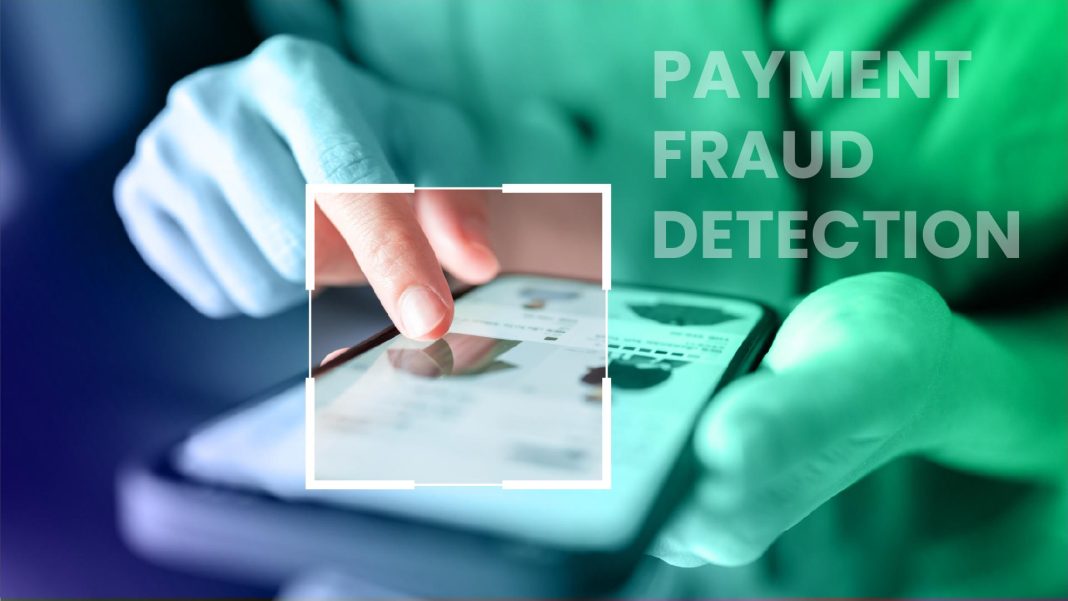

In the ever-evolving digital landscape, where the convenience of a click can summon a world of possibilities, a shadowy counterpart lurks, growing more cunning with each passing day. Payment fraud, once a crude endeavor reliant on stolen credit card numbers and simple deceptions, has transformed into a sophisticated beast, wielding technology with the deftness of a master illusionist. As businesses and consumers alike revel in the seamless ease of online transactions, they must also confront an unsettling truth: the architects of fraud are advancing their craft at an alarming pace, leaving in their wake a trail of financial chaos and shattered trust.
In this article, we delve into the intricate web of modern payment fraud, unraveling the reasons behind its increasing sophistication. We will explore the innovative tactics employed by cybercriminals, from leveraging artificial intelligence to exploiting vulnerabilities in the digital ecosystem. But fear not, for knowledge is the first line of defense. Armed with insights and strategies, we will guide you on how to stay one step ahead of these digital marauders, ensuring that your financial fortress remains impenetrable in the face of ever-evolving threats. Join us as we navigate the treacherous waters of payment fraud, empowering you to safeguard your assets and maintain your peace of mind in this high-stakes digital age.
Evolving Tactics in the Payment Fraud Landscape
In the dynamic world of digital transactions, fraudsters are continuously refining their strategies to exploit vulnerabilities. The sophistication of payment fraud has evolved beyond simple phishing scams to include complex schemes such as synthetic identity fraud and account takeover attacks. Cybercriminals are leveraging advanced technologies like AI and machine learning to automate and scale their fraudulent activities, making them harder to detect and prevent. The use of deepfake technology and social engineering tactics further complicates the landscape, allowing fraudsters to mimic legitimate user behavior with alarming accuracy.
- Social Engineering: Manipulating individuals into divulging confidential information.
- AI-Driven Attacks: Utilizing artificial intelligence to create more convincing fraud schemes.
- Account Takeovers: Gaining unauthorized access to user accounts to make fraudulent transactions.
- Synthetic Identities: Combining real and fake information to create new, fraudulent identities.
To stay ahead in this rapidly changing environment, businesses must adopt a proactive approach. Implementing multi-layered security measures, such as behavioral analytics and real-time transaction monitoring, can help detect anomalies before they result in significant losses. Regularly updating security protocols and educating employees and customers about the latest fraud tactics are crucial steps in fortifying defenses against these evolving threats.
Decoding the Digital Fraudsters Playbook
In the ever-evolving landscape of digital transactions, payment fraudsters are continually refining their tactics, making it crucial for businesses and consumers alike to stay vigilant. Cybercriminals are leveraging advanced technologies such as AI and machine learning to orchestrate complex schemes that are harder to detect and prevent. This evolution is not just about stealing credit card numbers anymore; it involves a sophisticated blend of social engineering, identity theft, and data breaches. The fraudsters’ playbook is filled with strategies that exploit the vulnerabilities in payment systems, often bypassing traditional security measures.
- Social Engineering: Manipulating individuals into divulging confidential information.
- Phishing and Smishing: Crafting convincing emails and messages to trick users into providing sensitive data.
- Account Takeover: Gaining unauthorized access to user accounts to conduct fraudulent transactions.
To counter these threats, businesses must adopt a proactive approach. Implementing multi-layered security measures is essential, including two-factor authentication, real-time transaction monitoring, and utilizing AI-driven fraud detection systems. Moreover, educating consumers about the latest fraud tactics and encouraging them to regularly update passwords and monitor their accounts can significantly reduce the risk of falling victim to these sophisticated schemes. By staying informed and investing in robust security infrastructure, we can outsmart the digital fraudsters and safeguard our financial ecosystems.

Harnessing Advanced Technologies for Fraud Prevention
In the ever-evolving landscape of payment fraud, staying one step ahead requires leveraging cutting-edge technologies. Artificial Intelligence (AI) and Machine Learning (ML) are at the forefront, transforming how businesses detect and prevent fraudulent activities. These technologies analyze vast amounts of transaction data in real-time, identifying patterns and anomalies that might go unnoticed by human eyes. By employing AI-driven algorithms, companies can quickly flag suspicious transactions, reducing the risk of fraud before it occurs.
- Behavioral Analytics: By understanding the typical behavior of users, these tools can detect deviations that may indicate fraudulent activity.
- Biometric Authentication: Utilizing fingerprint, facial recognition, and other biometric data ensures that only authorized users can complete transactions.
- Blockchain Technology: Offering a decentralized and transparent ledger, blockchain provides an additional layer of security, making it difficult for fraudsters to alter transaction records.
Integrating these advanced technologies into your fraud prevention strategy not only safeguards your business but also builds trust with your customers, assuring them of a secure and seamless payment experience.

Proactive Strategies to Safeguard Your Transactions
In an era where digital transactions are the norm, adopting a proactive approach is essential to safeguarding your financial activities. Empower yourself with knowledge and tools to stay one step ahead of potential threats. Start by regularly updating your software and applications to ensure you have the latest security patches. This simple yet effective measure can thwart many cyber-attacks before they even begin.
- Enable Two-Factor Authentication: Adding an extra layer of security makes it significantly harder for unauthorized users to access your accounts.
- Monitor Your Accounts: Regularly check your bank and credit card statements for any suspicious activity. Early detection can prevent significant losses.
- Educate Yourself: Stay informed about the latest fraud tactics and learn how to recognize phishing attempts and other common scams.
By implementing these strategies, you not only protect your transactions but also contribute to a safer digital environment for everyone.