


In the intricate dance of global finance, where the rhythm of economic policies orchestrates the movements of markets, a new symphony is emerging—one that is reshaping the very essence of credit risk dynamics. As nations grapple with unprecedented challenges, from trade tensions to climate change, the decisions made in the hallowed halls of economic powerhouses reverberate across continents, altering the landscape of credit risk in profound ways. This article delves into the heart of these seismic shifts, offering a comprehensive exploration of how global economic policies are not merely influencing but fundamentally transforming the calculus of credit risk. With an authoritative lens, we unravel the complexities and unveil the strategies that stakeholders must adopt to navigate this evolving terrain, ensuring resilience in an era where the only constant is change.
Navigating the Shifting Landscape of Credit Risk Amid Global Policy Changes
The ever-evolving landscape of global economic policies is reshaping the dynamics of credit risk, demanding a keen understanding and strategic adaptation from financial institutions. As governments worldwide recalibrate their fiscal and monetary policies, the ripple effects on credit markets are profound. Interest rate fluctuations, currency volatility, and regulatory reforms are just a few of the factors that are altering the risk profiles of borrowers and lenders alike. In this climate, financial entities must employ sophisticated risk assessment tools and maintain agility to navigate these changes effectively.
- Interest Rate Adjustments: Central banks’ shifts in interest rates can significantly impact borrowing costs and credit availability, influencing default probabilities.
- Currency Exchange Variability: With global trade intricacies, currency fluctuations can affect international credit exposures, adding layers of complexity to risk management.
- Regulatory Reforms: New regulations can alter the risk landscape by imposing stricter lending criteria or changing capital requirements, necessitating a reevaluation of credit strategies.
In this transformative era, staying informed and adaptable is crucial. Financial institutions must leverage data analytics and predictive modeling to anticipate and mitigate potential risks, ensuring resilience in an unpredictable global economy.
Decoding the Impact of Monetary Policies on Credit Risk Dynamics
In the intricate web of global finance, monetary policies wield significant influence over credit risk dynamics. Central banks, with their arsenal of tools, shape the economic landscape, affecting everything from interest rates to inflation. Interest rate adjustments, for instance, can directly impact borrowing costs and the risk profile of loans. A rise in interest rates typically increases the cost of borrowing, potentially leading to higher default rates among borrowers. Conversely, a reduction in rates might stimulate borrowing, but could also lead to asset bubbles, subtly shifting the credit risk landscape.
Furthermore, quantitative easing and other unconventional monetary measures have become pivotal in the post-crisis era. These policies, aimed at injecting liquidity into the economy, can alter the risk appetite of financial institutions. As banks and investors chase higher yields in a low-interest environment, they may inadvertently increase their exposure to riskier assets. This shift can lead to a recalibration of credit risk assessments, influencing everything from loan underwriting standards to credit rating models. Understanding these dynamics is crucial for stakeholders aiming to navigate the evolving financial ecosystem effectively.

Strategic Insights for Mitigating Credit Risk in a Globalized Economy
In today’s interconnected world, the intricacies of credit risk are increasingly influenced by the ever-evolving landscape of global economic policies. As nations grapple with economic challenges, the ripple effects are felt across borders, reshaping the dynamics of credit risk management. To navigate this complex environment, financial institutions must adopt strategic insights that are both proactive and adaptive.
- Understand Policy Shifts: Staying informed about international policy changes is crucial. From trade agreements to regulatory reforms, these shifts can have profound impacts on credit risk.
- Leverage Technology: Employing advanced analytics and AI-driven tools can provide deeper insights into potential risks, allowing for more precise forecasting and risk mitigation strategies.
- Diversify Portfolios: By spreading investments across various regions and sectors, institutions can reduce exposure to localized economic downturns.
- Enhance Collaboration: Building strong relationships with global partners can offer valuable perspectives and shared resources, fostering a more resilient approach to managing credit risk.
By embracing these strategies, financial entities can not only safeguard their interests but also capitalize on opportunities presented by the shifting tides of global economic policies.
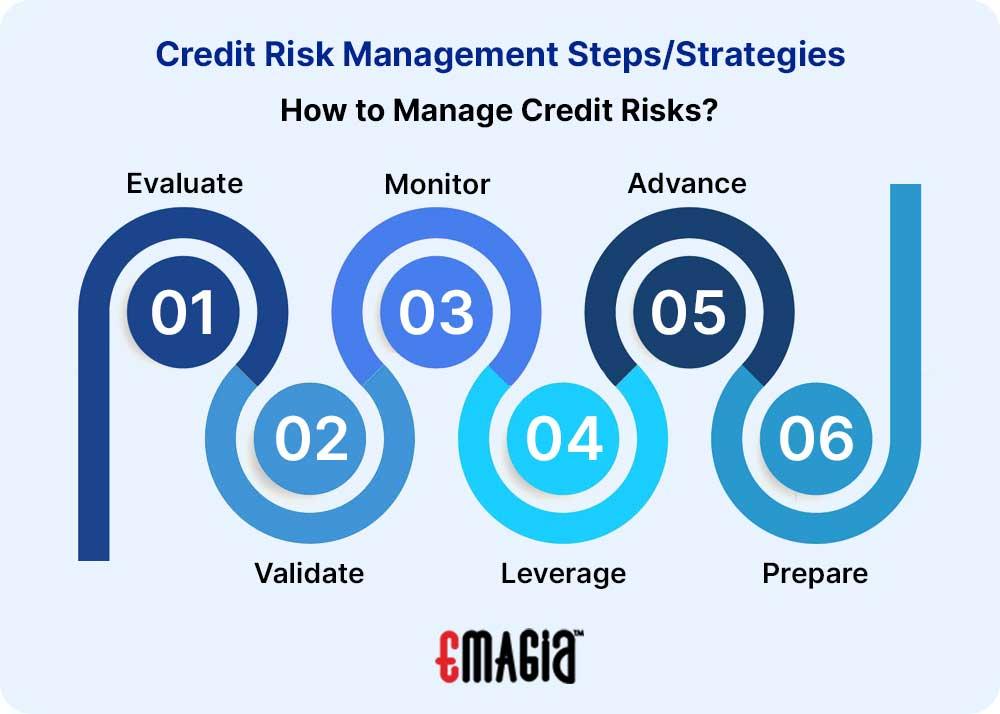
Proactive Approaches to Credit Risk Management in an Evolving Policy Environment
In today’s rapidly shifting economic landscape, credit risk management demands a proactive stance, especially as global policies continuously reshape the financial terrain. Financial institutions must adapt by integrating innovative strategies that not only anticipate potential risks but also capitalize on emerging opportunities. Key proactive approaches include:
- Dynamic Risk Assessment: Leveraging real-time data analytics to monitor creditworthiness and predict potential defaults, enabling institutions to adjust their strategies swiftly.
- Policy Scenario Planning: Developing flexible models that simulate various policy outcomes, allowing for agile responses to regulatory changes and geopolitical shifts.
- Collaborative Intelligence: Building networks with other financial entities and regulatory bodies to share insights and develop a collective understanding of evolving risks.
By embracing these approaches, financial institutions can not only safeguard their portfolios but also enhance their competitive edge in a world where policy shifts are both a challenge and an opportunity.