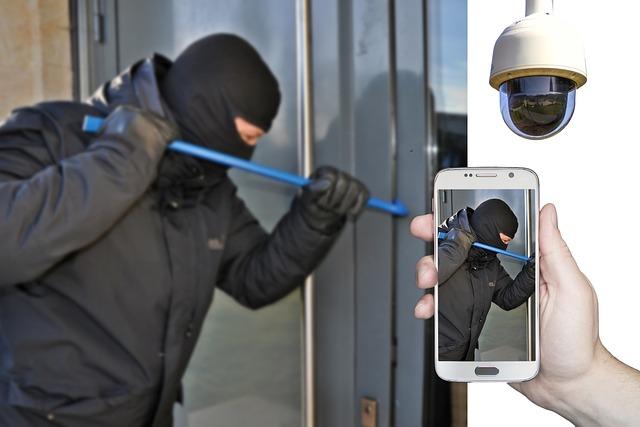

In an era where our lives are increasingly intertwined with the digital realm, the specter of identity theft looms larger than ever before. Like a cunning chameleon, it adapts and evolves, preying on the unwary and the unprepared. As we navigate this brave new world, the question that echoes through the corridors of cyberspace is not if, but when you might become a target. In this article, we delve into the rising threat of identity theft, peeling back the layers of complexity to reveal the vulnerabilities that lurk beneath the surface. With an authoritative lens, we explore whether you are truly prepared to defend your digital self against the invisible adversaries that seek to exploit your most personal information. Are you ready to confront the challenge head-on, or will you find yourself caught in the web of deception? Join us as we illuminate the path to safeguarding your identity in an age where trust is both a currency and a casualty.
Understanding the Modern Techniques of Identity Thieves
In today’s digital age, identity thieves have evolved beyond traditional methods, leveraging advanced technology and social engineering tactics to exploit vulnerabilities. Phishing scams have become increasingly sophisticated, often masquerading as legitimate communications from trusted organizations. These deceptive emails or messages lure unsuspecting individuals into revealing sensitive information, such as passwords or credit card details. Meanwhile, malware attacks infiltrate devices through seemingly innocuous downloads or links, granting cybercriminals unauthorized access to personal data.
Another alarming trend is the rise of data breaches, where hackers target large corporations to harvest vast amounts of personal information. These breaches often result in the sale of stolen data on the dark web, making it accessible to a wider network of identity thieves. Additionally, the growing popularity of social media has provided criminals with a treasure trove of personal information, which they use to create convincing fake identities or to answer security questions. To protect yourself, it’s crucial to stay informed and vigilant, adopting robust security measures such as:
- Using strong, unique passwords for each account
- Enabling two-factor authentication
- Regularly monitoring your financial statements and credit reports
- Being cautious about the information you share online
The Hidden Costs of Ignoring Identity Theft Risks
In the digital age, overlooking the risks associated with identity theft can lead to far more than just financial losses. The ramifications extend deeply into personal and professional realms, affecting your credit score, mental well-being, and even job prospects. Imagine waking up to find your bank account drained, your credit cards maxed out, or even worse, being held accountable for crimes you didn’t commit. These scenarios are not just nightmares; they are harsh realities for many who underestimate the dangers lurking in the shadows of their digital footprints.
- Emotional Toll: Victims often experience anxiety, stress, and a sense of violation, impacting their mental health and daily life.
- Time-Consuming Recovery: Restoring your identity can take months or even years, involving endless paperwork and communication with financial institutions.
- Reputation Damage: In severe cases, identity theft can tarnish your reputation, affecting your social and professional relationships.
Ignoring these risks is akin to leaving your front door open in a crime-prone neighborhood. The hidden costs of inaction are steep, underscoring the importance of proactive measures to safeguard your identity.
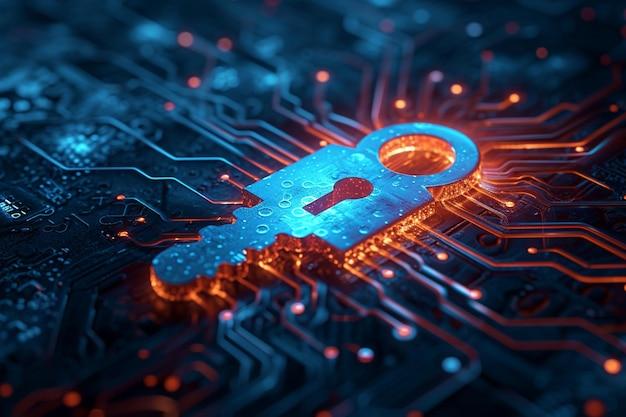
Building a Fortress: Essential Strategies for Personal Data Protection
In an era where our lives are increasingly lived online, safeguarding personal data has become as crucial as locking the doors to our homes. The specter of identity theft looms large, threatening to dismantle our digital lives with a few keystrokes. To fortify your defenses, it is imperative to adopt a multi-layered approach that combines vigilance with technology.
- Use Strong, Unique Passwords: Avoid the temptation of using the same password across multiple sites. Opt for complex combinations of letters, numbers, and symbols, and consider employing a password manager to keep track of them.
- Enable Two-Factor Authentication (2FA): This extra layer of security requires not just a password but also a second form of verification, making unauthorized access significantly more difficult.
- Monitor Your Financial Statements: Regularly check your bank and credit card statements for any suspicious activity. Early detection is key to mitigating the damage of identity theft.
- Be Wary of Phishing Scams: Exercise caution with unsolicited emails or messages asking for personal information. Always verify the source before clicking on links or downloading attachments.
By implementing these strategies, you create a formidable barrier against the ever-evolving tactics of cybercriminals. Remember, in the digital age, proactive protection is your best defense.
Proactive Measures: Staying One Step Ahead of Cybercriminals
In an era where digital footprints are as unique as fingerprints, safeguarding your identity requires a proactive approach. To effectively combat the ever-evolving tactics of cybercriminals, consider implementing the following strategies:
- Regularly Update Software: Ensure that all your devices are running the latest versions of software and security patches. This minimizes vulnerabilities that hackers often exploit.
- Enable Two-Factor Authentication (2FA): Adding an extra layer of security can significantly reduce the risk of unauthorized access to your accounts.
- Monitor Financial Statements: Vigilantly review your bank and credit card statements for any suspicious activity. Early detection is key to preventing identity theft.
- Use Strong, Unique Passwords: Avoid using easily guessed passwords and ensure each account has a distinct password to prevent a domino effect in case of a breach.
By staying informed and implementing these measures, you can maintain a robust defense against identity theft, ensuring your personal information remains secure in the digital landscape.